
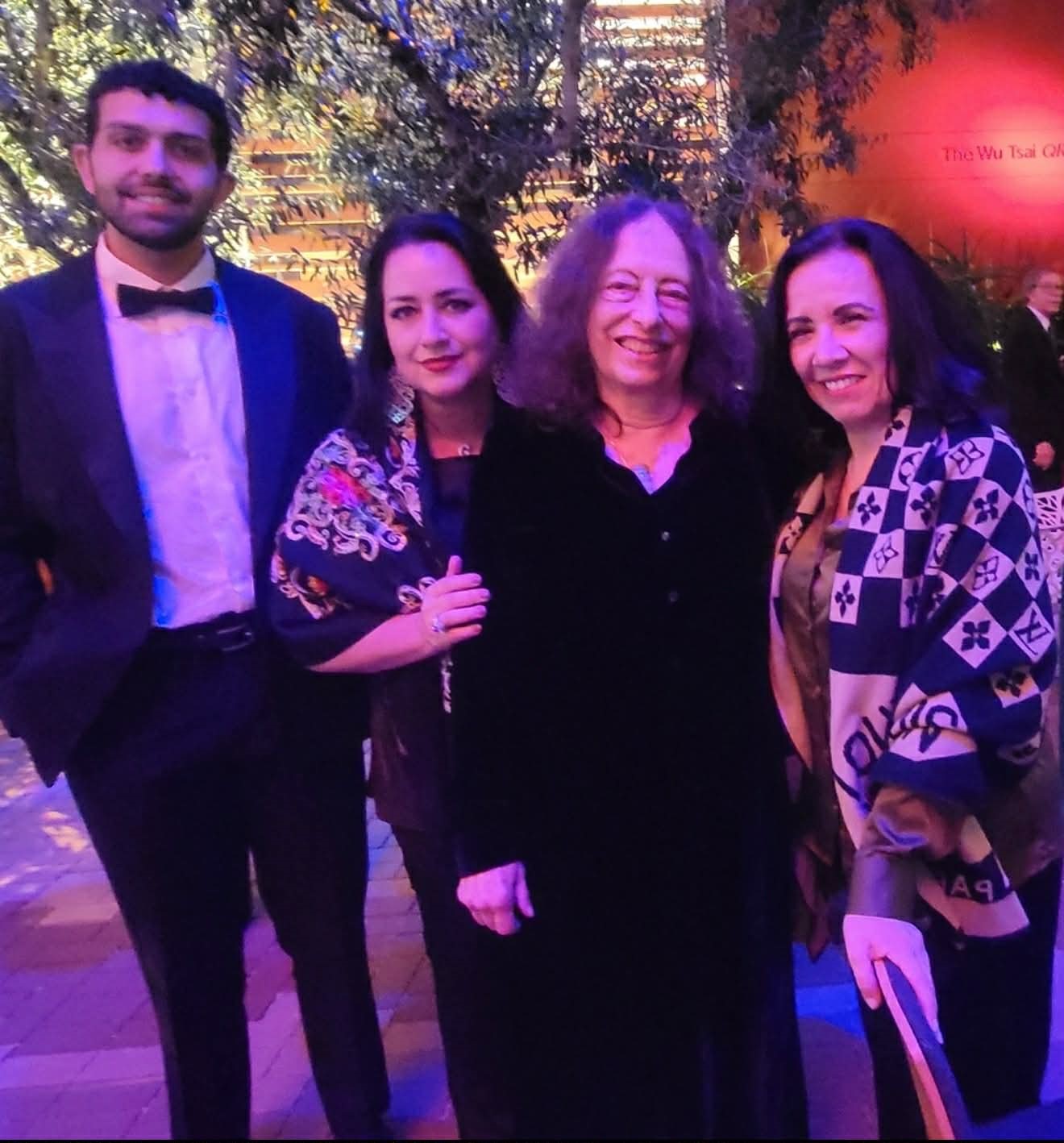
Anoche, en el evento de Kyoto Prize Symposium, tuve la oportunidad de escuchar hablar a Carol Gilligan, una de las grandes pensadoras de la psicología contemporánea. Autora de múltiples libros y reconocida por su trabajo sobre el desarrollo moral, Gilligan ha dedicado su vida a estudiar cómo hombres y mujeres perciben el mundo y cómo esa diferencia se refleja en la manera en que hablamos, sentimos y tomamos decisiones.
Su teoría, tan debatida como influyente, plantea algo profundamente humano: que históricamente se ha privilegiado una visión de la moral basada en la razón, la norma y la estructura, mientras que la voz femenina muchas veces surge desde el cuidado, la empatía y la relación con los otros. No es que uno sea mejor que el otro; son simplemente maneras distintas de comprender la vida.
Mientras la escuchaba, pensaba en lo oportuno que resulta reflexionar sobre esto después del 8 de marzo, el Día Internacional de la Mujer.
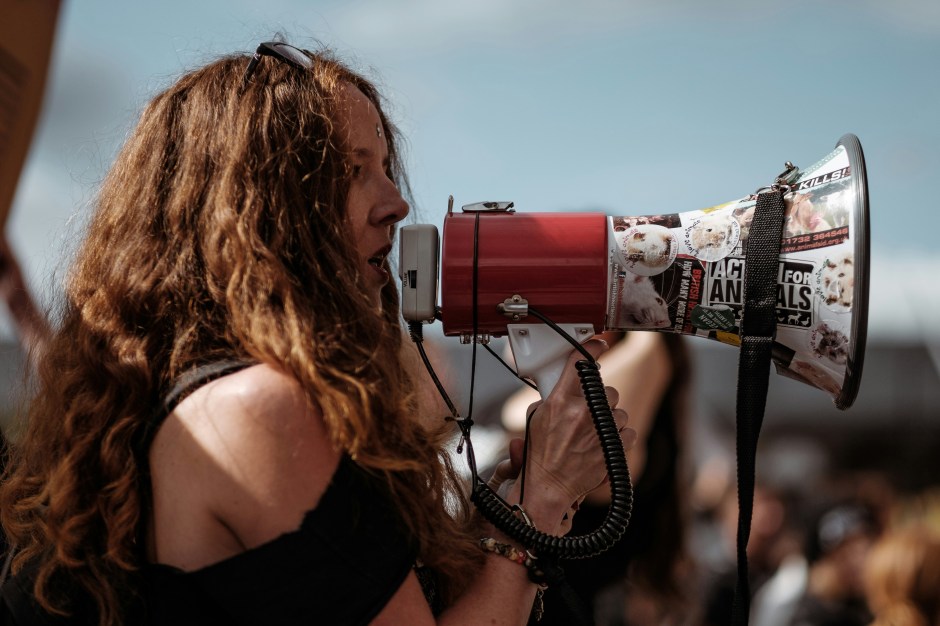
Como cada año, las calles de muchas ciudades del mundo se llenaron de marchas, consignas y también de polémica. En algunos lugares, las protestas terminaron en confrontaciones, daños materiales o momentos de tensión. Y entonces aparecieron las voces conocidas: críticas, juicios rápidos, y comentarios que decían cosas como:
“A mí esas mujeres no me representan.”
Es una frase que escucho cada año.
Mujeres que dicen:
“No estoy de acuerdo con esa forma de protestar.”
“Yo no marcho.”
“Eso no me representa.”
Y la verdad es que, cuando lo escucho, mi reacción no es enojo. Es otra.
“¡Qué bueno!”
Sí, qué bueno que muchas mujeres puedan decir que esas marchas no las representan. Qué bueno que puedan sentirse ajenas a ese grito, a esa rabia, a esa urgencia.
Porque muchas veces eso significa que nunca han tenido que vivir el dolor que origina ese grito.
Significa que quizás nunca han perdido a una hija, una hermana, una madre o una amiga por violencia contra la mujer.
Significa que quizá nunca han tenido que denunciar a alguien que las lastimó.
Significa que tal vez nunca han sentido el miedo de caminar solas de noche con el corazón acelerado.
Y eso, sinceramente, es una bendición.
Pero hay otras mujeres, muchas más de las que quisiéramos imaginar, para quienes el 8 de marzo no es solo una fecha simbólica. Para ellas es una herida abierta. Es memoria. Es ausencia.
Es la silla vacía en la mesa.
Por eso, cuando vemos la intensidad de algunas protestas, la pregunta no debería ser: “¿Por qué están tan enojadas?”
La pregunta debería ser: ¿qué tuvo que pasar para que ese enojo exista?
Aquí es donde recuerdo nuevamente a Carol Gilligan. Ella hablaba de la importancia de escuchar la voz de la mujer. No solo cuando es suave, articulada y políticamente correcta. También cuando es incómoda, cuando está llena de emoción, cuando rompe las formas.
Porque durante siglos esa voz fue interrumpida, minimizada o descartada como “demasiado emocional”.
Y sin embargo, en esa emoción hay verdad.
No todas las mujeres marchan.
No todas las mujeres gritan consignas.
No todas las mujeres están de acuerdo con las mismas formas de protesta.
Y está bien.
La diversidad de voces también es parte de la libertad.
Pero lo que sí deberíamos evitar es el juicio fácil entre nosotras mismas. Porque cada mujer habla desde su historia, desde sus heridas o desde su tranquilidad.
Una mujer que no marcha puede estar agradecida por la vida que ha tenido.
Una mujer que sí marcha puede estar cargando una historia que jamás quisiéramos vivir.
Ambas realidades existen.
El peligro aparece cuando empezamos a invalidar la experiencia de la otra.
Cuando decimos: “Exageran.”
Cuando decimos: “Eso no pasa.”
Cuando decimos: “No deberían protestar así.”
La historia de los movimientos sociales, todos ellos, nos recuerda que el cambio rara vez nace desde la comodidad.
Nace desde la incomodidad.
Quizá el verdadero reto hoy no sea decidir quién nos representa o quién no. Quizá el reto sea algo más profundo: escuchar la voz de las mujeres en todas sus formas.
La voz de la madre.
La voz de la empresaria.
La voz de la joven que empieza su camino.
La voz de la que protesta.
La voz de la que observa en silencio.
Todas forman parte de una misma conversación.
Y si algo aprendí escuchando a Carol Gilligan es que cuando finalmente dejamos hablar a la voz de la mujer, sin interrumpirla, sin juzgarla, sin reducirla, descubrimos algo poderoso:
Que detrás de cada palabra hay una historia.
Y detrás de cada historia, una verdad que merece ser escuchada.
Créanme. A mí si me desaparecen a mi hija y voy a pedir ayuda a las autoridades y pasan años sin tener noticias, yo no voy a pintar los monumentos de rosa. Yo voy a encontrar la manera de que la ciudad arda en llamas.
NOS VEMOS A LA PROXIMA.

The Voice of Women
Yesterday, at the KYOTO PRIZE SYMPOSIUM, I had the opportunity to listen to Carol Gilligan, one of the great thinkers of contemporary psychology. The renowned author of several influential books, Gilligan has spent much of her career studying how men and women perceive the world differently, and how those differences shape the way we express ourselves, reason, and connect with others.
Her work, both celebrated and debated, introduced an idea that feels deeply human: that for generations society has elevated a moral framework centered on rules, structure, and logic, while the female voice has often emerged from a place of care, empathy, and relationships. It is not that one is superior to the other; they are simply different ways of understanding life.
As I listened to her speak, I couldn’t help but think about how relevant her words felt now that March 8th, International Women’s Day, has just passed.
Like every year, cities around the world filled with marches, slogans, and powerful demonstrations. In some places, the protests turned tense, sometimes even violent, and immediately the familiar reactions followed—criticism, quick judgments, and the same sentence repeated over and over again:
“Those women do not represent me.”
It is a phrase I hear every year.
Women saying:
“I don’t agree with those protests.”
“I would never march like that.”
“That does not represent me.”
And the truth is, when I hear those words, my reaction is not anger.
It is something else.
Good.
Yes, good.
Good that many women feel they are not represented by that anger, that urgency, that raw expression of pain.
Because very often it means something important: they have never had to live the experience that fuels that anger.
It may mean they have never lost a daughter, a sister, a mother, or a friend to violence against women.
It may mean they have never had to report abuse.
It may mean they have never walked down a street at night with fear tightening their chest.
And that, truly, is a blessing.
But there are other women, far more than we would like to imagine, for whom March 8th is not simply a symbolic day. For them, it is memory. It is grief. It is absence.
It is the empty chair at the table.
So when we witness the intensity of some of these protests, perhaps the real question should not be: “Why are they so angry?”
The real question should be: What had to happen for that anger to exist?
This is where I remember Carol Gilligan’s message again. She spoke about the importance of listening to the voice of women. Not only when that voice is calm, composed, and socially acceptable. But also when it is emotional, uncomfortable, and disruptive.
For centuries, the female voice was interrupted, dismissed, or labeled as too emotional.
And yet within that emotion, there is often truth.
Not all women march.
Not all women shout slogans in the streets.
Not all women agree on the same ways of protesting.
And that is perfectly fine.
The diversity of voices is also part of freedom.
But what we should avoid is judging one another too quickly. Because every woman speaks from her own story, from her own wounds, or from the peace of not having those wounds.
A woman who does not march may simply feel grateful for the life she has lived.
A woman who does march may be carrying a story no one should ever have to endure.
Both realities exist.
The danger begins when we start invalidating each other’s experiences.
When we say: “They exaggerate.”
When we say: “That doesn’t happen.”
When we say: “They shouldn’t protest like that.”
History reminds us that social change rarely begins in comfort.
It begins in discomfort.
Perhaps the real challenge today is not deciding who represents us and who does not. Perhaps the real challenge is something deeper: to listen to the voice of women in all its forms.
The voice of the mother.
The voice of the entrepreneur.
The voice of the young girl beginning her path.
The voice of the protester.
The voice of the woman who observes quietly.
All of them are part of the same conversation.
And if there is one thing I took away from listening to Carol Gilligan, it is this: when we truly allow the voice of women to be heard, without interruption, without judgment, without reduction, we discover something powerful.
Behind every voice, there is a story.
And behind every story, there is a truth that deserves to be heard.
Believe me. If my daughter disappears and I go to the authorities for help, and years go by without any news, I’m not going to vandalize the monuments with pink paint. I’m going to find a way to set the city ablaze.
SEE YOU NEXT TIME.
 gina dewar