Esta semana me pasó algo que, de entrada, parecía una de esas tonterías tecnológicas que te hacen perder la paciencia y cuestionarte si de verdad necesitas tanta modernidad en tu vida.
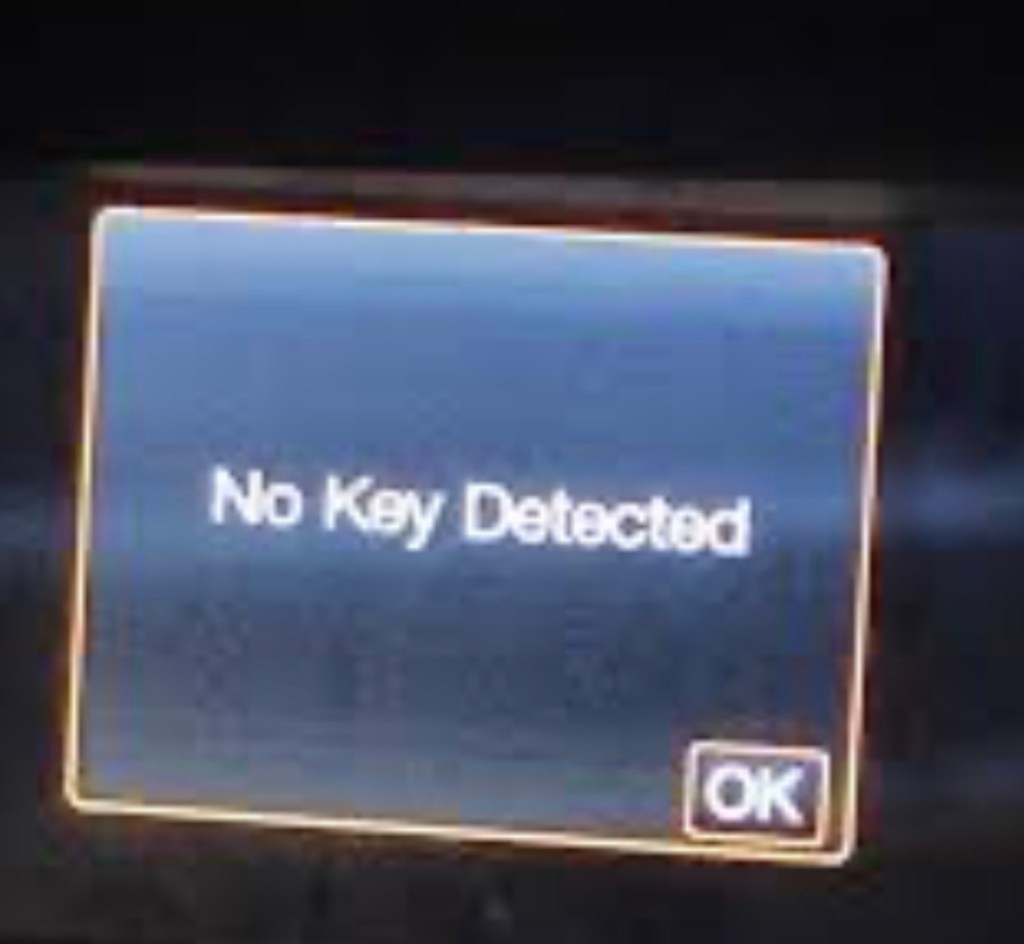
Resulta que iba a prender mi carro y, en lugar de escuchar ese maravilloso sonido del motor que anuncia que todo está bajo control, me apareció un mensaje en el tablero: “No Key Detected”.
¿Cómo que no detecta la llave? ¡Aquí está! ¡La traigo conmigo! ¡No la saco de la bolsa!
Mi primera reacción fue la de cualquier mujer independiente que resuelve problemas todos los días: volver a intentarlo, moverle aquí, apretarle allá y, si nada funcionaba, considerar seriamente llamar a alguien que supiera más que yo.
Pero entonces descubrí algo curioso.
Dentro de mi bolsa llevaba mi teléfono conectado a una batería portátil. Desconecté el cargador y, ¡milagro de la tecnología!, el carro reconoció la llave y arrancó.
Pensé que había sido una casualidad. Esas cosas que pasan y que uno prefiere no investigar demasiado porque, al final, lo importante es llegar a donde tienes que llegar.
Pero me pasó dos veces.
DOS VECES.
La segunda vez ya no me pareció casualidad. Ahí estaba otra vez el famoso “No Key Detected”, y otra vez tuve que desconectar la batería portátil para que mi carro pudiera reconocer la llave que llevaba conmigo.
Al parecer, el cargador estaba generando una interferencia que impedía que el sistema del vehículo detectara correctamente la llave.
Y mientras resolvía el asunto, no pude evitar pensar en la cantidad de veces que nos pasa exactamente lo mismo en la vida.
Tenemos la llave, sabemos hacia dónde vamos, estamos listas para arrancar y, aun así, algo interfiere con nuestros planes.
Lo curioso es que muchas veces ni siquiera sabemos qué es.
En el mundo profesional, por ejemplo, puedes tener un proyecto extraordinario, una propuesta bien preparada, los contactos correctos y toda la disposición para hacer que las cosas sucedan. Has trabajado durante meses, has tocado puertas, has invertido tiempo, dinero y energía.
Y de pronto, nada.
La respuesta no llega. La reunión se pospone. La oportunidad que parecía segura se enfría. El proyecto no avanza.
Entonces empiezas a cuestionarte.
¿Será que no soy suficientemente buena? ¿Será que me faltó preparación? ¿Será que estoy haciendo algo mal?
Y a veces sí, necesitamos revisar nuestras estrategias, corregir errores y aprender de lo que no funciona. No todo es culpa de una interferencia externa.
Pero otras veces hay factores que no estamos viendo. Prioridades ajenas, intereses que desconocemos, personas que no están alineadas con nuestros objetivos o circunstancias que simplemente no dependen de nosotros.
Y ahí estamos, intentando arrancar el carro una y otra vez, sin imaginar que quizá el problema no está en la llave.
También sucede en las relaciones personales.
Puedes tener las mejores intenciones, querer construir algo bonito y estar dispuesta a abrir tu corazón. Puedes tener la llave, las ganas y hasta el tanque lleno de ilusiones.
Pero hay interferencias.
El miedo de alguien que todavía no ha sanado sus heridas. Las opiniones de terceros. Las inseguridades. Las expectativas que nunca se hablaron. Las relaciones del pasado que siguen ocupando espacio en el presente.
A veces no falta amor. Falta claridad.
Y otras veces, por más que queramos que algo funcione, la otra persona simplemente no está en el mismo canal.
El problema es que, cuando no entendemos qué está pasando, terminamos culpándonos por no poder avanzar.
Nos preguntamos qué nos falta, qué hicimos mal o por qué no somos suficientes.
Cuando quizá lo que necesitamos no es cambiar quiénes somos, sino identificar qué está interfiriendo.
La vida tiene una curiosa manera de enseñarnos lecciones en los momentos más inesperados.
A mí me bastó una batería portátil, una llave que mi carro no reconocía y un mensaje en el tablero para recordarme algo importante: no todo lo que impide avanzar significa que no estamos preparadas para hacerlo.
A veces tenemos todo lo necesario, pero estamos permitiendo que algo más interfiera.
Y no siempre es fácil identificarlo.
Puede ser una sociedad de negocios que ya no funciona, una relación que nos roba la paz, una amistad que nos hace dudar de nosotras mismas o incluso esa costumbre de querer controlar absolutamente todo.
Porque sí, también nosotras podemos ser nuestra propia interferencia.
El miedo a equivocarnos. La necesidad de tener la aprobación de los demás. El orgullo que no nos permite soltar. La terquedad de insistir en una puerta que ya nos demostró que no quiere abrirse.
Por eso, antes de concluir que no podemos, que no somos capaces o que nuestros planes están destinados al fracaso, quizá valga la pena detenernos y preguntarnos:
¿Qué está interfiriendo aquí?
¿Qué estoy cargando conmigo que no me está dejando avanzar?
¿Qué necesito desconectar para volver a escucharme, reconocer mi valor y recuperar mi dirección?
No se trata de abandonar nuestros sueños a la primera dificultad. Al contrario. Se trata de tener la inteligencia para distinguir entre un obstáculo que debemos superar y una interferencia que necesitamos eliminar.
Porque insistir no siempre es sinónimo de perseverancia. A veces, perseverar significa cambiar de estrategia.
Y soltar no siempre significa rendirse. A veces significa dejar de alimentar aquello que nos está impidiendo avanzar.
La próxima vez que tus planes no arranquen, no te apresures a pensar que algo está mal contigo.
Revisa tus herramientas, tus decisiones, tus circunstancias y hasta las personas que llevas en tu equipaje emocional.
No todas las interferencias hacen ruido. Algunas se esconden detrás de buenas intenciones, de costumbres que ya no nos sirven o de situaciones que llevamos tanto tiempo aceptando que dejamos de cuestionarlas.
Y recuerda algo: tener la llave no garantiza que el carro arranque, pero que no arranque tampoco significa que hayas perdido la llave.
A veces, lo único que necesitas es descubrir qué está bloqueando la señal.
Porque en esta vida, como en mi carro, no siempre necesitas una llave nueva, cambiar de vehículo o abandonar el camino.
A veces, simplemente necesitas desconectar aquello que está interfiriendo con tu capacidad de avanzar.
Una mujer x Siete horas entre Siete hombres=Un chat lleno de 57 silencios.
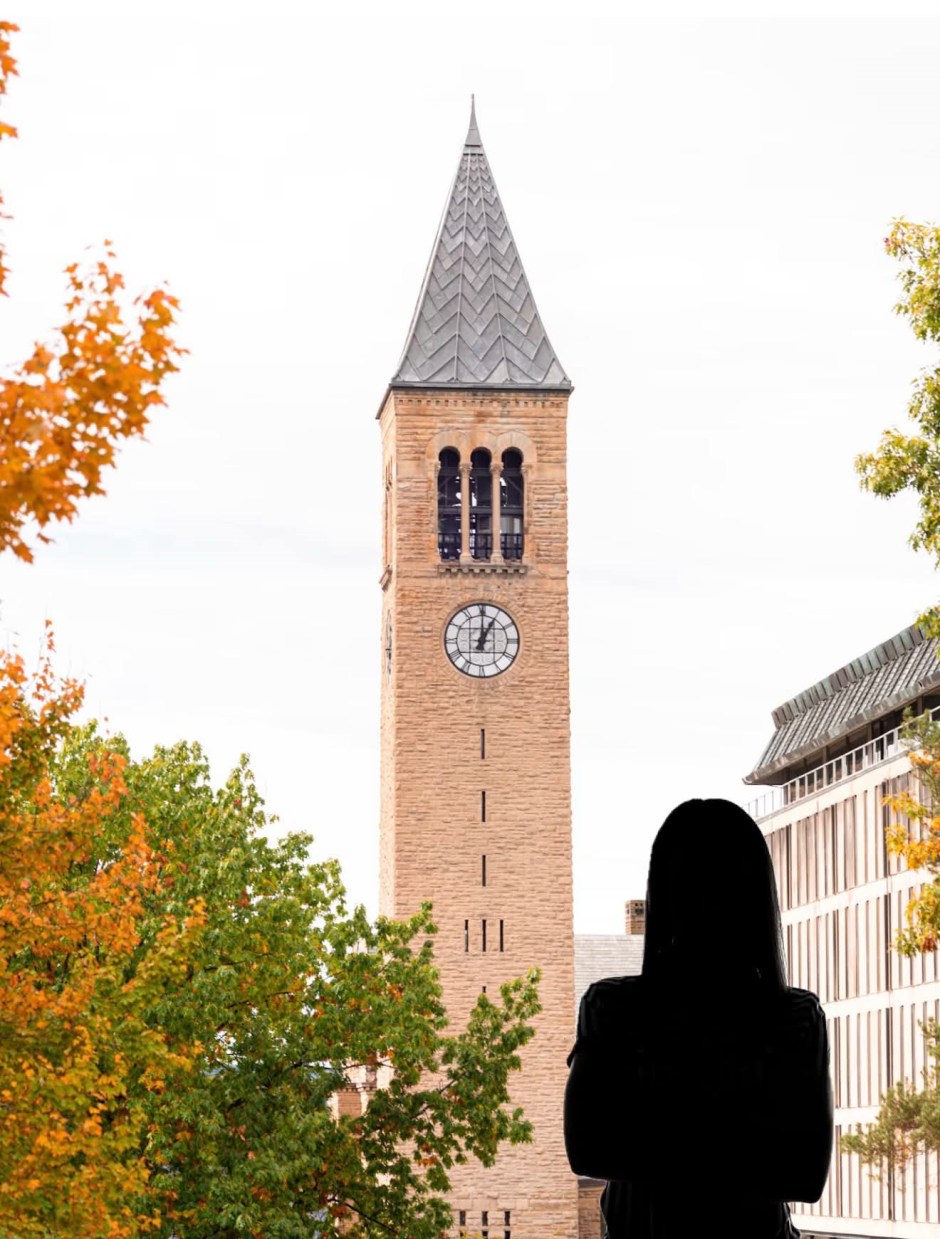
Una joven de apenas 20 años denunció haber sido drogada y agredida sexualmente por siete integrantes de una fraternidad universitaria (Cornell University). Según la demanda civil, los hechos ocurrieron en octubre de 2024 y se prolongaron durante horas. Los mensajes de un chat de Snapchat forman parte de las pruebas que han salido a la luz. La investigación criminal fue reabierta el 28 de septiembre de 2026 y el caso será presentado ante un gran jurado. Las acusaciones aún están bajo investigación.
Siete hombres señalados en una demanda por una agresión que habría durado horas.
Y, según las conversaciones que han circulado, decenas de integrantes de un chat de la fraternidad tenían conocimiento de lo que estaba ocurriendo.
Cincuenta y siete hombres.
No sé ustedes, pero a mí ese número me quita el sueño.
Porque no estamos hablando solamente de siete hombres acusados de cometer algo terrible. Estamos hablando de todos los demás que pudieron haber visto mensajes, entendido lo que sucedía y tenido la oportunidad de hacer algo.
¿Dónde estaban los amigos?
¿Dónde estaba el muchacho que pudo haber dicho: «Esto está mal. Voy a llamar a alguien»?
¿Dónde estaba el que pudo haber avisado a seguridad, a la policía, a un adulto, a quien fuera?
¿En qué momento se volvió más importante proteger la amistad de un compañero que la vida y la dignidad de una mujer?
Y aquí es donde me entra el miedo.
Porque esos muchachos no nacieron en una fraternidad. Alguna vez fueron bebés. Alguien los cargó, les dio de comer, les compró sus uniformes, les enseñó a cruzar la calle y lloró el día que se fueron a la universidad.
Alguien los ama.
Y seguramente muchas de sus madres jamás imaginaron que sus hijos pudieran estar relacionados con una historia como esta.
¿Qué estamos haciendo mal las madres?
Soy mamá de dos, una niña y un niño. Y si algo he aprendido en este camino es que criar a un hijo no es solamente enseñarle a defenderse del mundo. También es enseñarle a no convertirse en el peligro del mundo para alguien más.
A veces me pregunto si le he dicho suficientes veces que no basta con no hacer daño.
Que no basta con ser el muchacho que no golpea, que no abusa, que no insulta, que no se aprovecha de una mujer.
Que también hay que ser el hombre que interviene cuando otro lo hace.
El que no se ríe del chiste machista para encajar con los amigos.
El que no participa en conversaciones donde las mujeres son tratadas como objetos.
El que no se queda callado cuando escucha que un compañero presume de haber abusado de alguien.
El que entiende que una mujer inconsciente, intoxicada o incapaz de expresar su voluntad no está dando su consentimiento.
El que sabe que un «no» es suficiente, pero que el silencio, el miedo y la incapacidad de defenderse jamás significan un «sí».
Y me pregunto: ¿cuántas veces, como madres, nos concentramos tanto en enseñarles a nuestros hijos a ser buenos estudiantes, buenos profesionistas y buenos proveedores, que olvidamos enseñarles a ser buenos seres humanos?
¿De qué sirve que mi hijo tenga tres títulos universitarios, una empresa exitosa y una cuenta bancaria llena, si no tiene la sensibilidad de detenerse cuando alguien está sufriendo?
¿De qué sirve que sea el orgullo de su familia si es incapaz de ser un hombre seguro para una mujer?
Yo no quiero dejarle al mundo un hombre perfecto. Quiero dejarle un hombre decente.
Un hombre que sepa que la masculinidad no se demuestra dominando a nadie. Que la fuerza no está en intimidar. Que ser hombre no es tener permiso para hacer lo que se te dé la gana.
Y que jamás, jamás, la dignidad de una mujer es moneda de cambio para pertenecer a un grupo de amigos.
Nosotras vivimos con miedo. Ellos no deberían vivir con impunidad.
Hay algo que me parece profundamente injusto.
A nosotras nos enseñan a cuidarnos desde niñas.
No te pongas esa falda. No camines sola. Mándame tu ubicación. Avísame cuando llegues. No aceptes bebidas. No confíes demasiado. No te subas al carro de un desconocido. No regreses tarde. No provoques.
Crecemos aprendiendo a calcular riesgos que no deberían ser nuestra responsabilidad.
Y aun haciendo todo eso, seguimos expuestas.
Porque la joven de Cornell, según su demanda, estaba en un lugar donde había personas que conocía. No estamos hablando simplemente de una desconocida caminando sola por una calle oscura.
Estamos hablando de la posibilidad de que el peligro venga de alguien a quien le tienes confianza.
Y eso es lo que nos rompe.
¿Cómo le explicas a una hija que debe cuidarse de los desconocidos, pero también de los conocidos?
¿Cómo le dices que vaya a la universidad, que disfrute su juventud, que haga amigos, que viva, que ame, que viaje, que salga a bailar, pero que al mismo tiempo tenga que estar alerta porque alguien podría decidir que su cuerpo le pertenece?
Y lo más triste es que muchas veces, cuando una mujer denuncia algo, la primera pregunta no es qué le hicieron.
Es qué estaba haciendo ella.
¿Había tomado? ¿Por qué fue a esa fiesta? ¿Por qué confió? ¿Por qué no se fue antes?
(Aquí suspiro)
¿En qué momento dejamos de preguntarnos por qué alguien decidió hacerle daño?
La responsabilidad de una agresión es de quien la comete. No de la ropa que llevaba una mujer, ni de la bebida que aceptó, ni de la confianza que depositó en alguien.
Y tampoco podemos seguir criando generaciones de hombres que confundan el silencio de sus amigos con una autorización para hacer cualquier cosa.
El silencio no siempre es neutral. Cuando alguien sabe que otra persona está siendo lastimada y tiene la posibilidad de buscar ayuda, quedarse callado puede convertirse en parte del problema.
Las mujeres tenemos miedo. Y las madres de hijos hombrecitos, también.
Hay noticias que una quisiera no leer. Noticias que te revuelven el estómago, te enchilan el alma y te dejan viendo al techo, preguntándote en qué momento nos convertimos en una sociedad donde ser mujer puede ser tan peligroso.
Lo que está sucediendo con el caso de Cornell University me tiene pensando en algo que pocas veces me atrevo a decir en voz alta: ¿qué podemos hacer las madres para dejar buenos hombres en el mundo?
Porque una cosa es criar a un hijo para que sea exitoso, educado, trabajador y respetuoso. Y otra, muy distinta, es criarlo para que sea un hombre que jamás permita que una mujer sea humillada, lastimada o despojada de su dignidad frente a sus ojos.
Y hoy, después de leer lo ocurrido en Cornell, esa responsabilidad me pesa más que nunca.
No quiero criar a un hombre que solamente sea bueno conmigo.
Esta es quizá la parte más importante de todo lo que quiero decir.
Yo no quiero que mi hijo sea respetuoso con las mujeres solamente porque tiene una mamá, una hermana, tías, primas, abuelas o amigas a quienes ama.
No quiero que su respeto dependa de que la mujer sea alguien de su familia.
Quiero que respete a la mujer que no conoce. A la que está sola en una fiesta. A la que está intoxicada. A la que no le gusta. A la que lo rechaza. A la que piensa diferente. A la que jamás podría ofrecerle absolutamente nada a cambio.
Porque el respeto no es un premio que se le da a una mujer por portarse como nosotros queremos.
Es un derecho que tiene por el simple hecho de ser persona.
Y quiero que mi hijo sepa que sus amigos no siempre tienen la razón. Que pertenecer a un grupo no significa renunciar a su conciencia. Que si veinte, cincuenta o cien hombres se están burlando de una mujer, él tiene la obligación moral de preguntarse qué está pasando.
Que ser el único que dice «esto está mal» no lo hace menos hombre.
Lo hace responsable.
Y si alguna vez tiene que elegir entre encajar con sus amigos y defender a una mujer que está en peligro, espero haberle enseñado lo suficiente para que sepa qué hacer.
No espero que sea un superhéroe. Espero que tenga el valor de llamar a alguien, pedir ayuda, intervenir de manera segura y no mirar hacia otro lado.
Porque algún día mi hijo estará en una fiesta, en un trabajo, en una reunión o en cualquier lugar donde alguien necesite que otro ser humano haga lo correcto.
Y yo no voy a estar ahí para decirle qué hacer.
Eso me aterra.
Pero también me recuerda que todavía estoy a tiempo de enseñarle.
El mundo que quiero dejarle a mi hijo
A veces pienso que las madres queremos proteger tanto a nuestros hijos que olvidamos que también tenemos que prepararlos para proteger a otros.
No desde la violencia. No desde el machismo disfrazado de caballerosidad. No desde la idea de que una mujer necesita que un hombre la salve.
Sino desde la empatía, la responsabilidad y el respeto.
Quiero que mi hijo sea un hombre que no necesite que su mamá esté presente para comportarse correctamente.
Que no necesite que una cámara lo esté grabando para defender a alguien.
Que no necesite que la víctima sea su hermana para entender que lo que le están haciendo está mal.
Y quiero que sepa que, si alguna vez se equivoca, tendrá que asumir las consecuencias. Porque educar no es enseñarle a un hijo que siempre tiene la razón. Es enseñarle que sus decisiones tienen consecuencias y que pedir perdón no borra automáticamente el daño que ha causado.
No puedo controlar todas las decisiones que tomará mi hijo. Ninguna madre puede.
Pero sí puedo seguir hablándole. Puedo enseñarle con el ejemplo. Puedo cuestionar sus actitudes, sus bromas, sus silencios. Puedo recordarle que la educación no termina cuando se gradúa y que la hombría no se mide por la cantidad de mujeres que conquista, sino por la calidad del ser humano que decide ser.
Y puedo rezar, con todo mi corazón, para que el día que yo no esté cerca, él sea capaz de hacer lo correcto, incluso cuando hacerlo le cueste una amistad.
Porque hoy tengo miedo.
Miedo por mi hija, por mis amigas, por las jóvenes que salen a estudiar, por las mujeres que confían en alguien y por todas aquellas que nunca tuvieron la oportunidad de contar su historia.
Miedo de que sigamos normalizando conversaciones, bromas y conductas que convierten a las mujeres en objetos.
Miedo de que haya madres criando hijos maravillosos en casa, sin saber lo que esos mismos hijos permiten o celebran cuando están con sus amigos.
Y miedo, sobre todo, de que nos acostumbremos.
De que mañana aparezca otra noticia, otra víctima, otro chat, otros nombres y volvamos a indignarnos durante unos días para después seguir con nuestra vida.
No quiero acostumbrarme.
No quiero que mi hija tenga que vivir con miedo.
No quiero que mi hijo crezca pensando que ser un buen hombre consiste únicamente en no ser uno de los siete.
Quiero que entienda que también pudo haber sido uno de los cincuenta que tuvieron la oportunidad de hacer algo.
Y que el día que alguien le pregunte qué clase de hombre es, su respuesta no sea lo que dice su currículum, cuánto dinero gana o a qué universidad fue.
Que su respuesta esté en cómo trata a los demás cuando nadie lo está mirando.
Porque al final, como mamá, no quiero que el mundo solamente recuerde mi nombre por lo que hice, por lo que escribí o por lo que construí.
Quiero que, cuando yo ya no esté, el mundo sea un lugar un poquito más seguro porque yo crié a un buen hombre.
Y hoy, después de leer lo de Cornell, me queda más claro que nunca: esa es una de las responsabilidades más grandes y más difíciles que tenemos las madres de hombrecitos.
No criar hombres que solamente sean buenos.
Criar hombres que no permitan que el mundo siga siendo tan malo para las mujeres.
(Ya se que hablo de lo que quiero que sea mi hijo en el futuro, pero la verdad, YA LO ES). 🙂
Nos vemos a la próxima.
1×7÷7=57
1 woman. Times Seven hours. Divided by Seven men. Equals a chat group filled with 57 silences
. A young woman, barely 20 years old, reported being drugged and sexually assaulted by seven members of a university fraternity (Cornell University). According to the civil lawsuit, the events took place in October 2024 and lasted for hours. Messages from a Snapchat group are among the pieces of evidence that have come to light. The criminal investigation was reopened on September 28, 2026, and the case will be presented to a grand jury. The allegations remain under investigation. Seven men named in a lawsuit regarding an assault that allegedly lasted for hours. And, according to the conversations that have circulated, dozens of members of the fraternity’s chat group knew what was happening.
Fifty-seven men.
I don’t know about you, but that number keeps me up at night.
Because we aren’t just talking about seven men accused of committing a terrible act. We are talking about all the others who might have seen the messages, understood what was happening, and had the chance to do something.
Where were the friends?
Where was the young man who could have said, “This is wrong. I’m going to call someone”?
Where was the one who could have alerted security, the police, an adult—anyone?
At what point did protecting a friend’s bond become more important than a woman’s life and dignity? And this is where the fear sets in for me. Because those young men weren’t born in a fraternity. They were once babies. Someone held them, fed them, bought their school uniforms, taught them how to cross the street, and cried the day they left for college. Someone loves them. And surely, many of their mothers never imagined their sons could be linked to a story like this.
What are we mothers doing wrong? I am a mother of two: a girl and a boy. And if I’ve learned anything along this journey, it’s that raising a son isn’t just about teaching him how to defend himself against the world. It’s also about teaching him not to become a danger to someone else.
Sometimes I wonder if I’ve told him enough times that simply not causing harm isn’t enough. That it’s not enough to be the boy who doesn’t hit, abuse, insult, or take advantage of a woman. That one must also be the man who steps in when someone else does those things. The one who doesn’t laugh at a sexist joke just to fit in with his friends. The one who doesn’t take part in conversations where women are treated like objects. The one who doesn’t stay silent when he hears a peer bragging about having abused someone. The one who understands that a woman who is unconscious, intoxicated, or unable to express her will is not giving consent. The one who knows that a “no” is enough, but that silence, fear, and the inability to defend oneself never mean “yes.” And I ask myself: how often, as mothers, do we focus so much on teaching our sons to be good students, successful professionals, and good providers that we forget to teach them to be good human beings? What good is it if my son has three university degrees, a successful business, and a full bank account, if he lacks the sensitivity to stop when someone else is suffering? What good is it if he is his family’s pride and joy, yet is incapable of being a man with whom a woman feels safe? I don’t want to leave the world a perfect man. I want to leave it a decent man.
A man who knows that masculinity isn’t proven by dominating anyone. That strength isn’t found in intimidation. That being a man doesn’t give you permission to do whatever you please. And let it be clear: a woman’s dignity is never, ever a bargaining chip for belonging to a group of friends.
We live in fear. They should not live with impunity.
There is something that strikes me as deeply unfair. We are taught to look out for our own safety from the time we are little girls. Don’t wear that skirt. Don’t walk alone. Send me your location. Let me know when you get there. Don’t accept drinks. Don’t trust too easily. Don’t get into a stranger’s car. Don’t come home late. Don’t provoke anyone. We grow up learning to calculate risks that shouldn’t be our responsibility. And even doing all that, we remain vulnerable. Because the young woman from Cornell, according to her lawsuit, was in a place where there were people she knew. We aren’t just talking about a stranger walking alone down a dark street. We are talking about the possibility that danger comes from someone you trust.
And that is what breaks us. How do you explain to a daughter that she must guard against strangers, but also against people she knows? How do you tell her to go to college, enjoy her youth, make friends, live, love, travel, and go out dancing, while at the same time remaining on guard because someone might decide that her body belongs to them? And the saddest part is that, often, when a woman reports something, the first question isn’t what was done to her.
It’s about what she was doing.
Had she been drinking? Why did she go to that party? Why did she trust them? Why didn’t she leave sooner? (I sigh here)
At what point did we stop asking why someone decided to hurt her? Responsibility for an assault lies with the person who commits it. Not with the clothes a woman wore, the drink she accepted, or the trust she placed in someone. And we cannot keep raising generations of men who mistake their friends’ silence for permission to do whatever they please. Silence isn’t always neutral. When someone knows another person is being hurt and has the chance to seek help, staying quiet can become part of the problem.
We women are afraid. And so are the mothers of boys. There are news stories one wishes one didn’t have to read. Stories that turn your stomach, make your soul burn with anguish, and leave you staring at the ceiling, wondering when we became a society where being a woman can be so dangerous. What is happening with the Cornell University case has me thinking about something I rarely dare to say out loud: what can we mothers do to send good men out into the world? Because it is one thing to raise a son to be successful, well-mannered, hardworking, and respectful. And it is something else entirely to raise him to be a man who would never allow a woman to be humiliated, hurt, or stripped of her dignity right before his eyes.
And today, after reading about what happened at Cornell, that responsibility weighs more heavily on me than ever. I don’t want to raise a man who is only good to me. This is perhaps the most important part of everything I want to say. I don’t want my son to be respectful toward women simply because he has a mother, a sister, a grandmother, or female friends whom he loves. I don’t want his respect to depend on the woman being a member of his family. I want him to respect the woman he doesn’t know. The one standing alone at a party. The one who is intoxicated. The one he isn’t attracted to. The one who rejects him. The one who holds different views. The one who could never offer him absolutely anything in return. Because respect isn’t a prize awarded to a woman for behaving the way we want her to. It is a right she possesses simply by virtue of being a human being. And I want my son to know that his friends aren’t always right. That belonging to a group doesn’t mean abandoning his conscience. That if twenty, fifty, or a hundred men are mocking a woman, he has a moral obligation to ask himself what is going on. That being the only one to say “this is wrong” doesn’t make him less of a man. It makes him responsible. And if he ever has to choose between fitting in with his friends and defending a woman in danger, I hope I’ve taught him enough to know what to do. I don’t expect him to be a superhero. I hope he has the courage to call someone, ask for help, intervene safely, and not look the other way.
Because someday my son will be at a party, at work, at a gathering, or anywhere else where someone needs another human being to do the right thing. And I won’t be there to tell him what to do. That terrifies me. But it also reminds me that there is still time to teach him. The world I want to leave my son Sometimes I think we mothers want to protect our children so much that we forget we also need to prepare them to protect others. Not through violence. Not through chauvinism disguised as chivalry. Not through the idea that a woman needs a man to save her. But through empathy, responsibility, and respect. I want my son to be a man who doesn’t need his mom present to behave properly. I want him not to need a camera recording him in order to stand up for someone. I want him not to need the victim to be his own sister to understand that what is being done to her is wrong. And I want him to know that if he ever makes a mistake, he will have to face the consequences. Because raising a child isn’t about teaching him that he is always right; it’s about teaching him that his decisions have consequences and that apologizing doesn’t automatically erase the harm he has caused. I cannot control every decision my son will make. No mother can. But I can keep talking to him. I can lead by example. I can question his attitudes, his jokes, and his silences. I can remind him that education doesn’t end at graduation and that manhood isn’t measured by the number of women he conquers, but by the quality of the human being he chooses to be. And I can pray, with all my heart, that the day I am no longer around, he will be capable of doing the right thing—even if doing so costs him a friendship. Because today, I am afraid. Afraid for my daughter, for my friends, for the young women heading off to study, for the women who place their trust in someone, and for all those who never had the chance to tell their stories.
I fear that we will continue to normalize conversations, jokes, and behaviors that turn women into objects. I fear there are mothers raising wonderful sons at home, unaware of what those very sons condone or celebrate when they are with their friends. And I fear, above all, that we will become desensitized. That tomorrow another news story will break: another victim, another group chat, other names—and we will feel outraged for a few days, only to go right back to our lives. I don’t want to get used to it. I don’t want my daughter to have to live in fear. I don’t want my son to grow up thinking that being a good man simply means not being one of “the seven.” I want him to understand that he could just as easily have been one of the fifty who had the chance to do something. And that the day someone asks him what kind of man he is, his answer won’t be about his résumé, how much money he makes, or which university he attended. I want his answer to lie in how he treats others when no one is watching. Because ultimately, as a mom, I don’t want the world to remember my name only for what I did, what I wrote, or what I built. I want the world to be a slightly safer place when I’m gone because I raised a good man. And today, after reading about the Cornell incident, it is clearer to me than ever: this is one of the greatest and most difficult responsibilities we mothers of little boys have. Not just raising men who are good. Raising men who won’t let the world continue to be so cruel to women.
(I speak of the man I want my son to be, but the truth is… he already is.)
Hay cosas en la cocina que nunca faltan. La cuchara, el cuchillo, la sartén… y el colador.
Ese humilde utensilio que casi nunca es protagonista, pero que puede hacer toda la diferencia entre una receta buena y una receta perfecta.
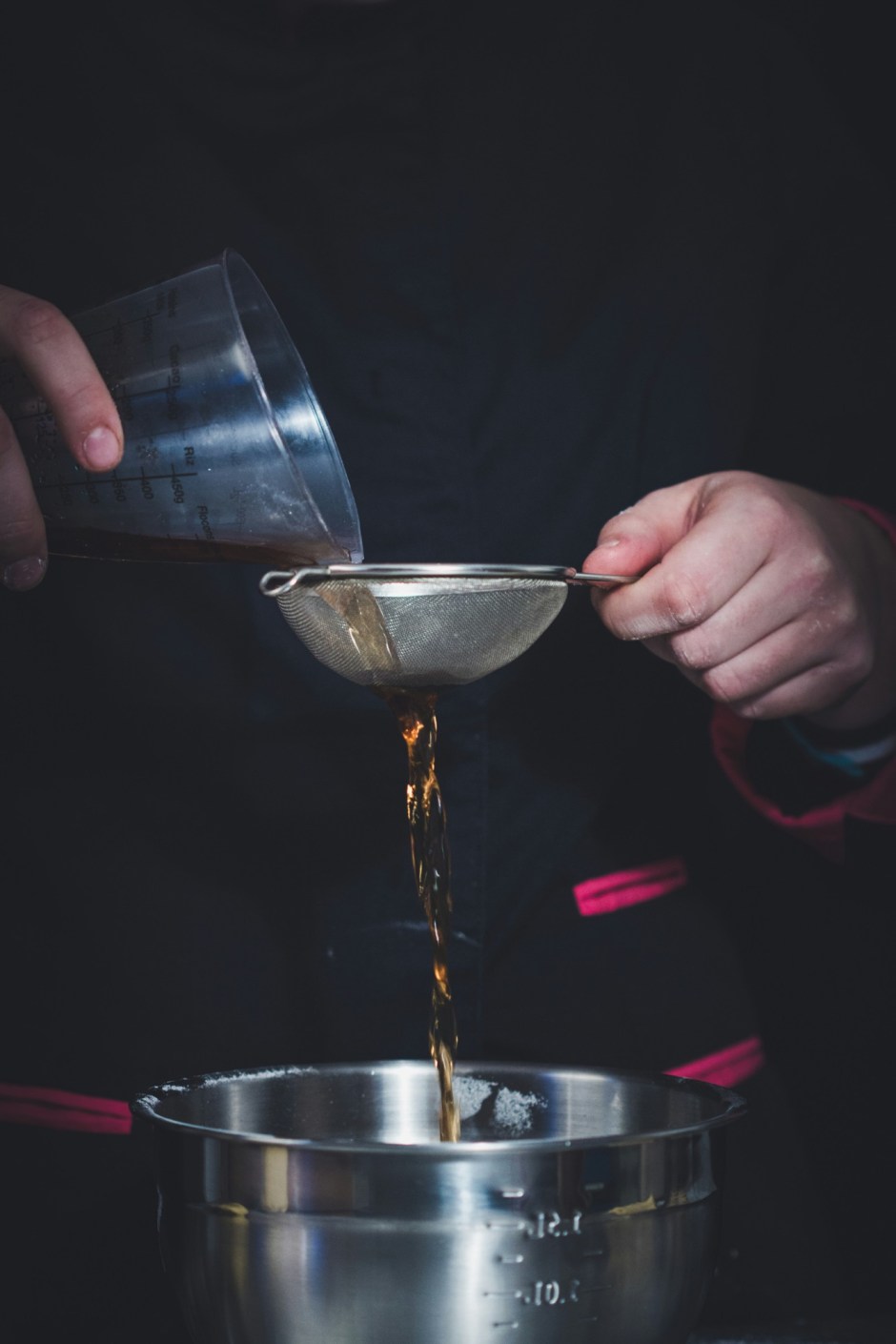
Porque cocinar no solamente consiste en mezclar ingredientes. También hay que saber qué dejar pasar y qué detener.
Y últimamente he pensado que la vida es exactamente igual.
Conforme vamos avanzando, necesitamos aprender a usar nuestro propio colador.
Porque no todo lo que llega a nuestra vida tiene que quedarse.
Hay personas que llegan para enseñarnos. Otras para acompañarnos durante una etapa. Algunas para abrirnos puertas y otras, aunque no nos guste admitirlo, para enseñarnos qué cosas jamás queremos volver a permitir.
Pero a veces no usamos el colador.
Dejamos pasar todo.
Las opiniones de los demás. Las críticas. Las inseguridades. Las personas que constantemente nos dicen que no podemos. Los que minimizan nuestros sueños. Los que solamente aparecen cuando necesitan algo. Los que nos quitan energía y después nos preguntamos por qué estamos tan cansados.
Y ahí vamos… acumulando grumos.
Hasta que un día nos damos cuenta de que la mezcla ya no está funcionando.
Entonces queremos arreglarla.
Y empieza el trabajo difícil de sacar los grumos uno por uno.
Como cuando haces una salsa y, por no haber usado el colador desde el principio, ahí estás con una cuchara tratando de rescatarla. Sacando las semillas una por una.
¡Qué flojera!
Y qué innecesario.
Porque el colador estaba ahí desde el principio.
Creo que con las personas pasa lo mismo.
Cuando somos jóvenes queremos caerle bien a todo el mundo. Queremos ser aceptados, tener muchos amigos, no incomodar y, muchas veces, evitamos decir que no.
Pero con los años aprendemos algo muy importante:
La paz vale más que la cantidad.
Y entonces empezamos a filtrar.
No porque nos creamos mejores que nadie. Simplemente porque aprendemos a valorar nuestro tiempo, nuestra energía y nuestra tranquilidad.
Hay personas que suman y personas que restan.
Hay quienes celebran nuestros triunfos y quienes solamente están esperando nuestro fracaso.
Hay quienes nos impulsan a crecer y quienes necesitan que permanezcamos pequeños para sentirse cómodos.
A esos hay que pasarlos por el colador.
Y dejarlos ir.
Pero también debemos aprender a filtrarnos nosotros mismos.
No todo pensamiento merece nuestra atención. No todo miedo debe convertirse en una decisión. No todo “no puedo” es verdad.
A veces nuestros propios grumos son los que necesitamos eliminar.
Qué curioso que algo tan sencillo pueda enseñarnos una lección tan grande.
Un colador no pelea con lo que no deja pasar. Simplemente cumple su función.
No se enoja. No explica. No pide permiso.
Solo filtra.
Quizás eso es lo que necesitamos hacer más en la vida.
Filtrar sin culpa.
Dejar pasar lo que nos nutre.
Conservar lo que nos hace bien.
Y dejar ir aquello que solamente hace más pesada nuestra mezcla.
Porque cuando aprendemos a usar el colador a tiempo, la vida se vuelve mucho más ligera.
Y la receta… queda mucho mejor.
Así que esta semana, quizá valga la pena preguntarnos:
¿Qué necesito dejar pasar y qué necesito detener?
Tal vez no necesitamos cambiar la receta de nuestra vida.
Tal vez simplemente necesitamos, por fin, usar el colador.
La primera es que uno ya no se preocupa tanto por hacer el ridículo.
La segunda… es que a veces se le olvida a uno ponerse los lentes.
Hace unos días andaba paseando por Taste of Eastlake 2026, disfrutando de la comida, saludando gente, haciendo lo que más me gusta: platicar con personas interesantes y descubrir historias detrás de cada negocio.
Entre tanta delicia estaba el hermoso charcuterie board de mis amigos de Fabilous Charcuterie. Era una obra de arte. Quesos, carnes, nueces, frutas… de esos que uno ve y automáticamente piensa que necesita una foto antes de darle la primera mordida.
Pero yo no traía lentes.
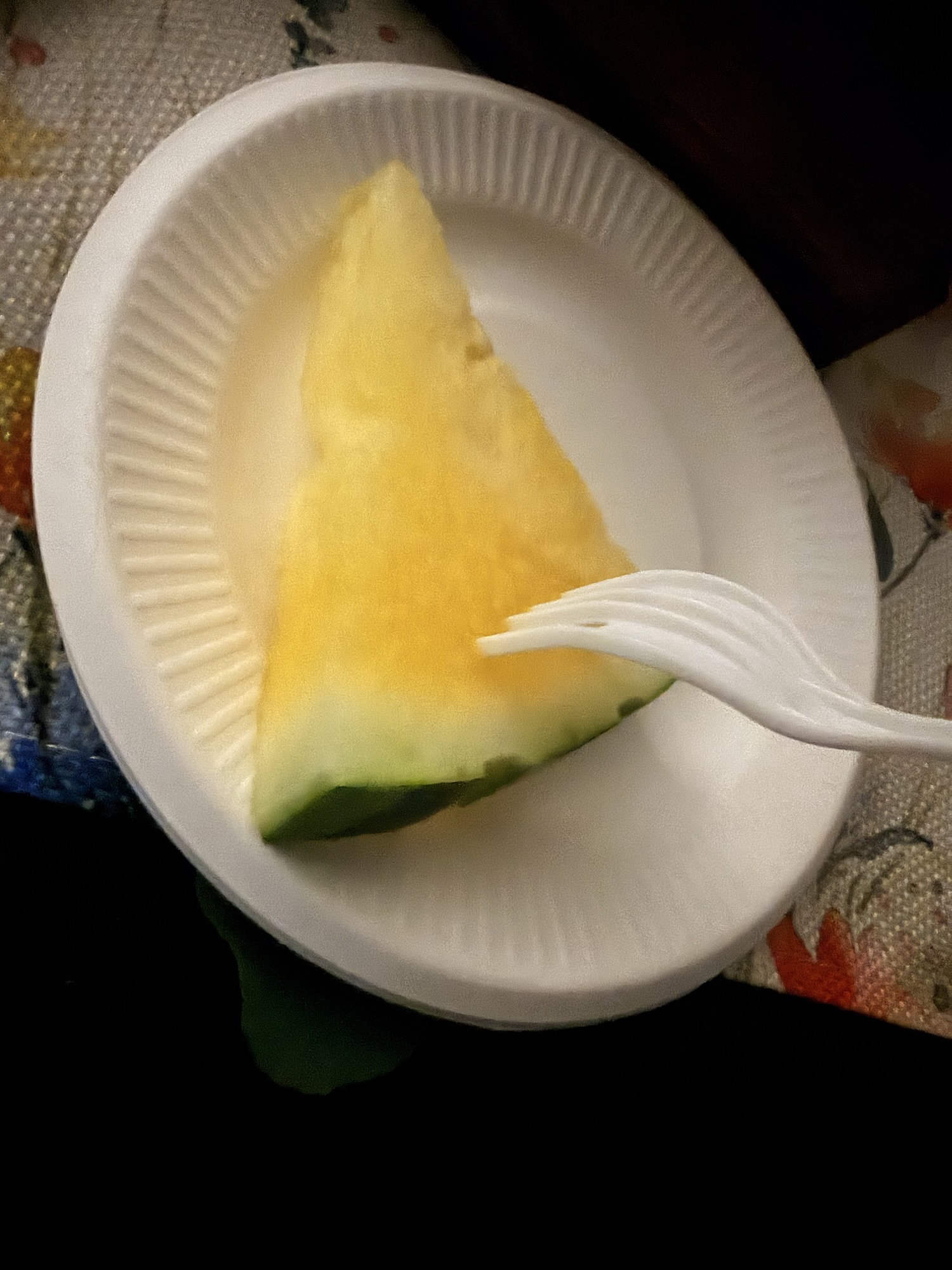
Así que muy segura de mí tomé un pedazo de lo que juraba era piña.
Le di una mordida.
“Hmm… qué piña tan rara.”
No estaba mala, pero definitivamente no era la piña dulce que mi cerebro esperaba. Hasta hice una pequeña mueca. Pensé que quizá no estaba madura. O que había perdido el gusto. Uno ya a esta edad también culpa a las papilas gustativas.
Entonces Julie (de Fabilous Charcuterie) me dijo:
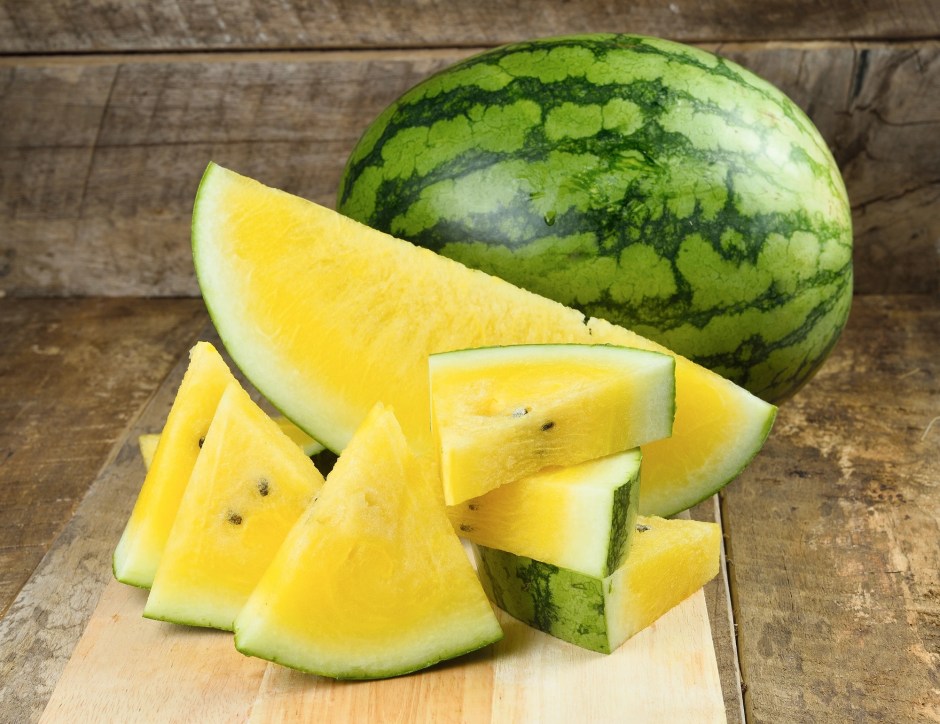
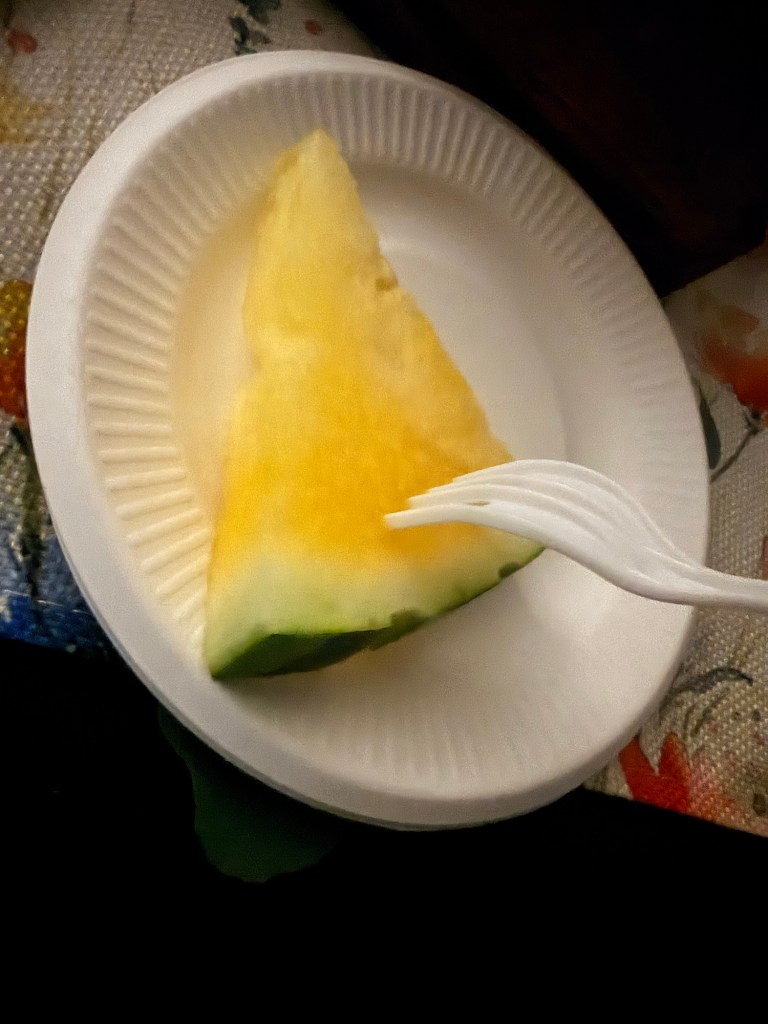
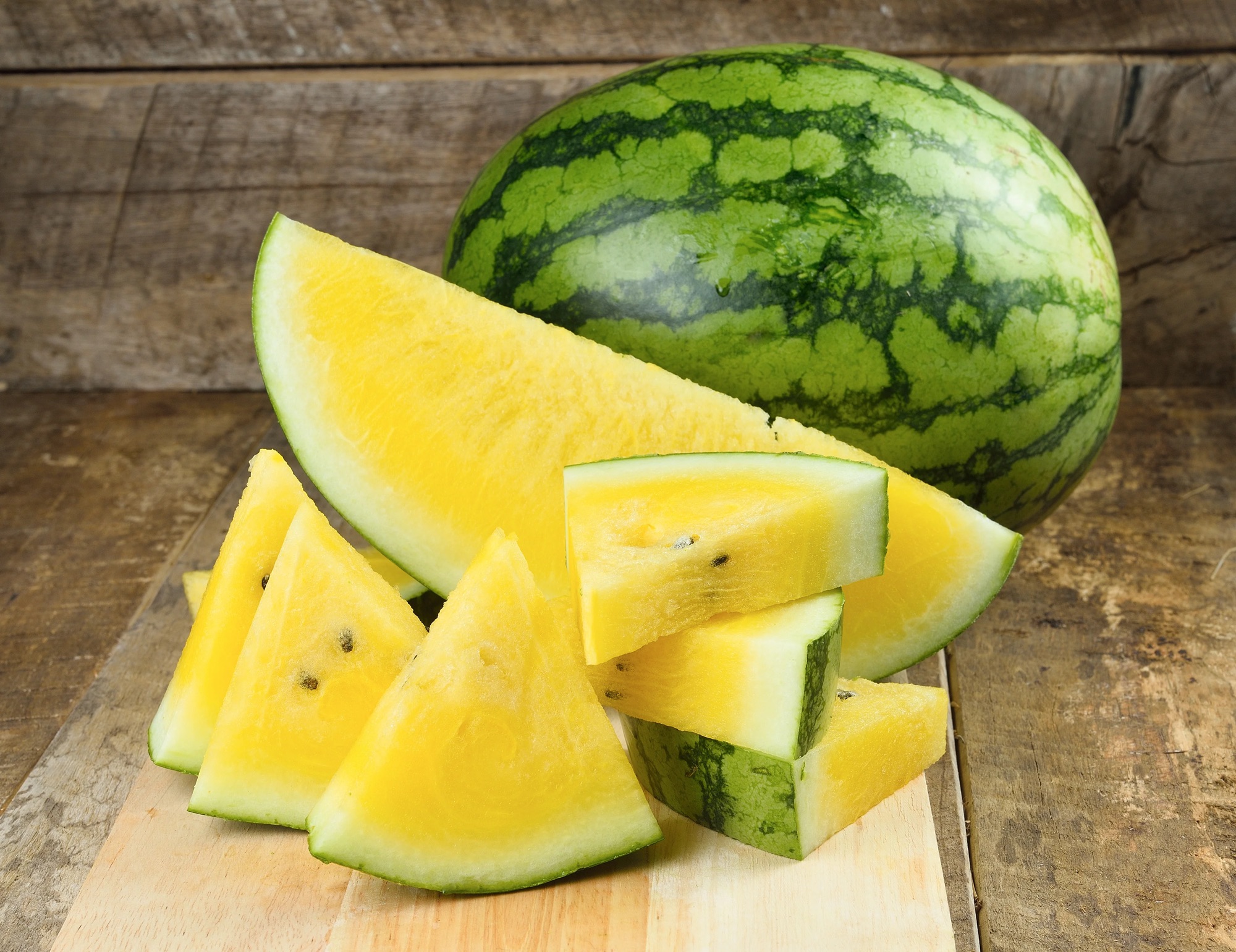
—No es piña… es sandía amarilla.
Volví a probar exactamente el mismo pedazo.
Y me encantó.
No había cambiado la fruta.
Había cambiado mi expectativa.
En ese momento entendí algo que no tenía nada que ver con la fruta.
Muchas veces juzgamos personas, proyectos, trabajos o relaciones esperando que sean “piña”. Y cuando no saben a piña, concluimos que son malos.
Cuando en realidad… nunca fueron piña.
Eran sandía.
Y la sandía no tiene ninguna obligación de saber a piña.
Nos pasa con la gente.
Conocemos a alguien esperando que sea extrovertido, serio, divertido, cariñoso o exitoso según nuestros propios estándares. Si no cumple con el personaje que inventamos, nos decepciona.
Nos pasa con los proyectos.
Esperamos que un negocio crezca en seis meses. Que un libro venda miles de copias. Que una idea produzca dinero de inmediato. Cuando no ocurre así, pensamos que fracasó.
Tal vez simplemente estamos midiendo una sandía con la regla de una piña.
También sucede en las relaciones.
Esperamos que alguien ame como nosotros, se comunique como nosotros o demuestre afecto igual que nosotros. Y cuando no lo hace, creemos que algo está mal.
Quizá solo estamos esperando el sabor equivocado.
Y mientras caminaba entre los puestos del festival, pensé algo todavía más curioso.
A lo mejor mucha gente me ve como una piña.
Creen que ya saben quién soy porque leen mis columnas, porque me ven en eventos o porque conocen una pequeña parte de mi historia.
Pero no saben que, en realidad, soy una sandía amarilla.
No soy exactamente lo que parezco.
Tengo lados que casi nadie conoce. Miedos, inseguridades, sueños nuevos a mis 54 años y una enorme curiosidad por seguir aprendiendo.
Supongo que todos somos un poco sandía amarilla.
La vida sería mucho más sencilla si antes de emitir una opinión preguntáramos un poco más, escucháramos un poco más y esperáramos un poco más.
Porque no todo lo que parece piña tiene que saber a piña.
Y eso no significa que esté mal.
Solo significa que todavía no sabemos realmente lo que tenemos enfrente.
Desde ese día decidí que, antes de decir que algo no me gusta, voy a asegurarme de saber qué es.
Porque a veces la mejor sorpresa de la vida no es encontrar exactamente lo que esperabas.
Es descubrir que la sandía amarilla también puede convertirse en tu fruta favorita.
Nos vemos a la próxima.
THE YELLOW WATERMELON
There are two things that happen after fifty.
The first thing is that you stop worrying so much about making a fool of yourself.
The second… is that sometimes you forget to put on your glasses.
A few days ago, I was strolling through Taste of Eastlake 2026, enjoying the food, greeting people, and doing what I love most: chatting with interesting folks and discovering the stories behind each business.
Amidst all the delicious offerings was a beautiful charcuterie board from my friends at Fabilous Charcuterie. It was a work of art. Cheeses, meats, nuts, fruit, the kind of spread that makes you think, “I need a photo of this before I take the first bite.”
But I didn’t have my glasses with me.
So, feeling quite confident, I picked up a piece of what I swore was pineapple.
I took a bite.
“Hmm… what a strange pineapple.”
It wasn’t bad, but it definitely wasn’t the sweet pineapple my brain was expecting. I even grimaced a little. I thought maybe it wasn’t ripe. Or that I’d lost my sense of taste, at this age, you tend to blame your taste buds.
Then Julie (from Fabilous Charcuterie) said to me:
“It’s not pineapple… it’s yellow watermelon.”
I tried that exact same piece again.
And I loved it.
The fruit hadn’t changed.
My expectation had.
In that moment, I understood something that had nothing to do with fruit.
We often judge people, projects, jobs, or relationships expecting them to be “pineapple.” And when they don’t taste like pineapple, we conclude that they’re bad.
When in reality… they were never pineapple.
They were watermelon.
And watermelon is under no obligation to taste like pineapple.
It happens with people.
We meet someone expecting them to be extroverted, serious, funny, affectionate, or successful, all based on our own standards. If they don’t fit the persona we’ve invented, we’re disappointed.
It happens with projects.
We expect a business to grow in six months. A book to sell thousands of copies. An idea to generate money immediately. When that doesn’t happen, we think it’s a failure.
Perhaps we are simply measuring a watermelon with a ruler meant for a pineapple.
The same thing happens in relationships.
We expect someone to love the way we do, communicate the way we do, or show affection just as we do. And when they don’t, we think something is wrong.
Maybe we’re just expecting the wrong flavor.
And as I walked among the festival stalls, I thought of something even more curious.
Maybe a lot of people see me as a pineapple.
They think they know who I am because they read my columns, see me at events, or know a small part of my story.
But they don’t know that, in reality, I am a yellow watermelon.
I am not exactly what I seem.
I have sides of myself that almost no one knows, fears, insecurities, new dreams at age 54, and an enormous curiosity to keep learning.
I suppose we are all a bit like yellow watermelons.
Life would be much simpler if, before forming an opinion, we asked a little more, listened a little more, and waited a little longer.
Because not everything that looks like a pineapple has to taste like a pineapple.
And that doesn’t mean it’s wrong.
It just means we don’t yet truly know what is right in front of us.
Since that day, I’ve decided that before saying I don’t like something, I’m going to make sure I know what it is.
Because sometimes, life’s best surprise isn’t finding exactly what you expected.
It’s discovering that a yellow watermelon can become your favorite fruit, too.
Mi nuevo gurú espiritual… tiene uñas largas y duerme 20 horas al día
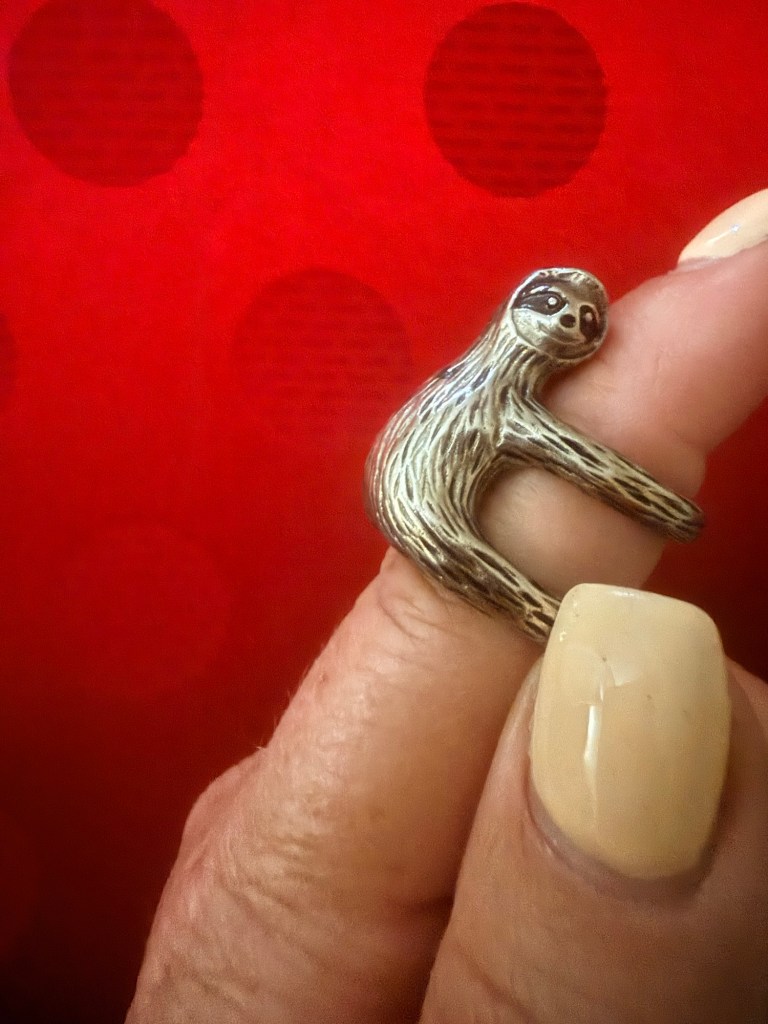
Si hace diez años alguien me hubiera dicho que un día me compraría un anillo en forma de perezoso y que además lo usaría con orgullo, probablemente le hubiera recomendado cambiar de café.
Porque, seamos sinceros, los perezosos nunca estuvieron en mi lista de animales favoritos. Al contrario. Me desesperaban.
¿Cómo puede existir un animal que tarda media hora en mover un brazo? Yo soy de las que, si el microondas dice “un minuto”, ya estoy parada frente a la puerta esperando los últimos tres segundos. Imagínense.
Pero aquí estoy.
Con un anillo de un perezoso abrazando mi dedo como si me estuviera diciendo: “Tranquila, Gina… el mundo no se va a acabar porque respondas ese correo cinco minutos después.”
Y resulta que tenía razón.
No sé si será la edad, la experiencia o simplemente que ya me cansé de correr maratones imaginarias todos los días, pero empecé a admirar a ese animal que antes me parecía la definición viviente de la desesperación.
Vivimos convencidos de que entre más ocupados estamos, más exitosos somos.
Nos presumimos agendas llenas.
Contestamos mensajes mientras hablamos por teléfono.
Comemos frente a la computadora.
Planeamos las vacaciones… durante las vacaciones.
Y cuando por fin tenemos un momento libre… nos sentimos culpables.
¿Qué clase de locura inventamos?
El perezoso, en cambio, parece haber entendido algo que a nosotros se nos escapó.
No corre. No compite. No se compara.
Simplemente existe.
Se mueve cuando lo necesita.
Descansa sin culpa.
Y, curiosamente, sobrevive bastante bien.
No estoy diciendo que ahora voy a colgarme de un árbol y desaparecer del mundo (aunque algunos días suena tentador), pero sí estoy aprendiendo a bajar el ritmo.
A no responder todo de inmediato.
A dejar espacios en blanco en mi agenda.
A no llenar cada minuto con algo “productivo”.
A recordar que descansar también es hacer algo.
Mi pequeño gurú de uñas largas no tiene prisa, y tal vez ahí está su secreto.
Porque la vida no es una carrera de velocidad.
Es más bien como ese perezoso que se toma su tiempo para cruzar de una rama a otra… y aun así llega.
Y yo, por primera vez en mucho tiempo, estoy empezando a disfrutar el camino.
Vivimos en una época donde todo parece medirse en velocidad: respuestas instantáneas, entregas el mismo día, reuniones de treinta minutos y mensajes de voz que escuchamos a doble velocidad.
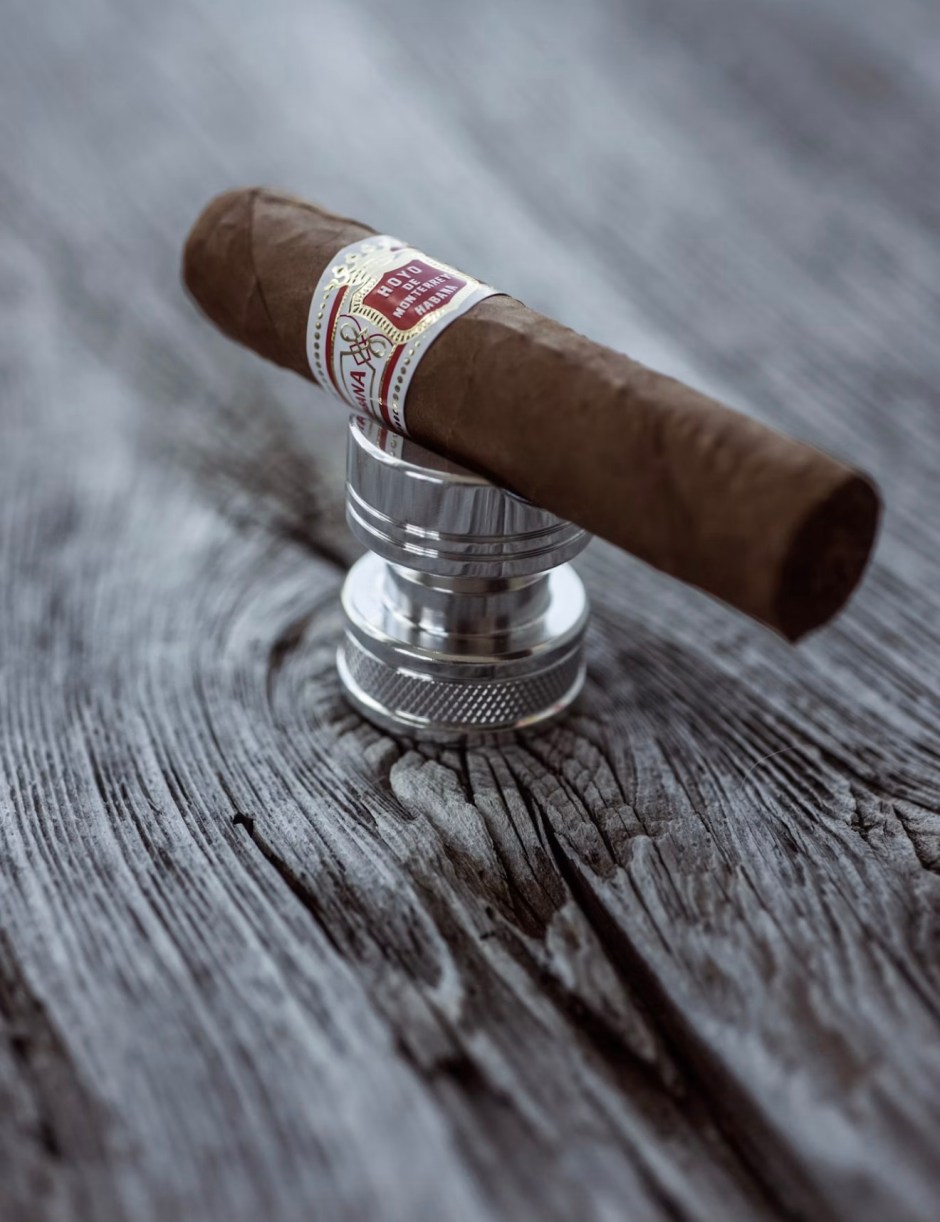
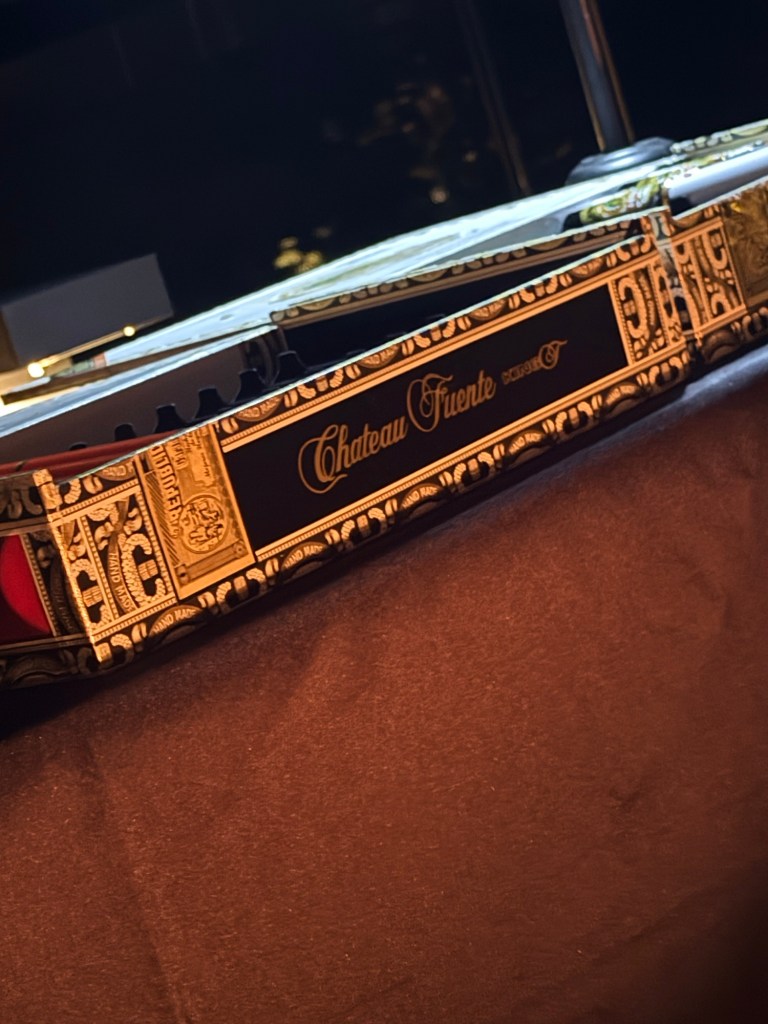
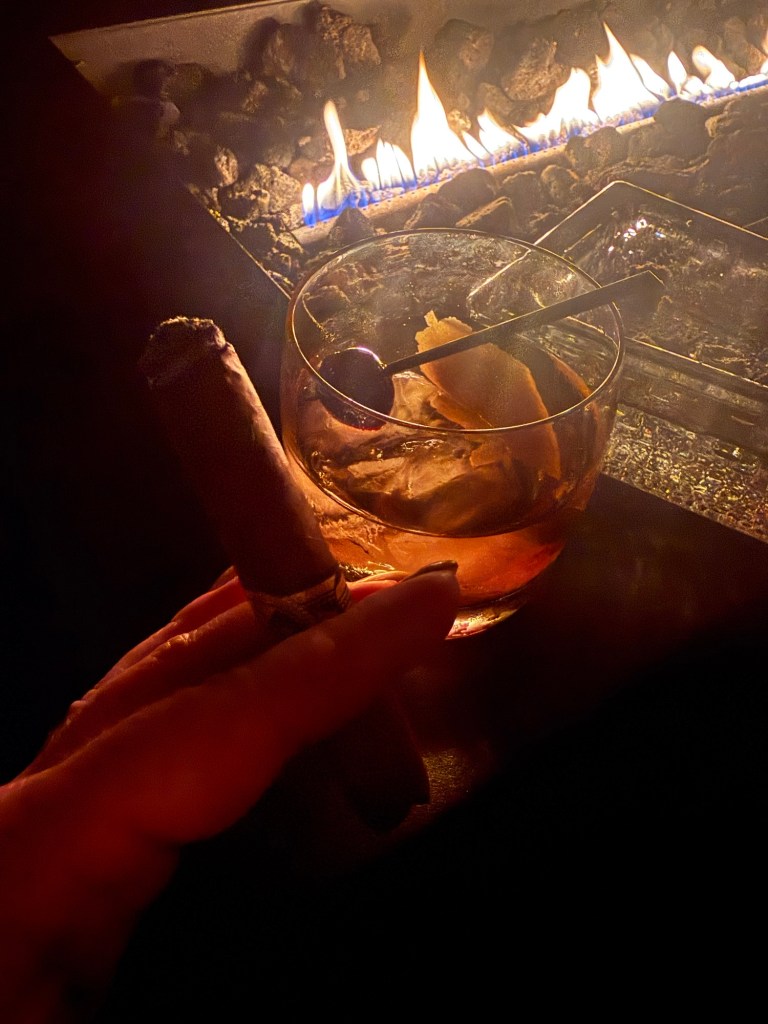
Sin embargo, hace unos días, en Jamul Casino, tuve la oportunidad de disfrutar algo que pertenece a otra categoría de experiencias: fumar un puro habano mientras brindábamos con un Old Fashioned perfectamente preparado.
No soy una experta en puros, pero sí en apreciar los pequeños lujos que nos recuerdan que la vida también debe saborearse.
Hay algo casi cinematográfico en sostener un buen puro. El ritual comienza mucho antes de encenderlo. Se observa, se huele, se aprecia su construcción. Después llega la primera bocanada, lenta y deliberada. No hay prisa. De hecho, la prisa es el único error posible.
Mientras disfrutaba aquella experiencia, pensé que fumar un puro sofisticadamente se parece mucho a construir una buena vida.
Nadie fuma un habano en cinco minutos. Si lo hiciera, perdería toda la experiencia. Lo mismo ocurre con nuestros sueños, nuestras carreras, nuestras amistades e incluso nuestros amores. Queremos resultados inmediatos, pero las mejores cosas requieren tiempo, paciencia y atención.
Un puro bien elaborado pasó años envejeciendo antes de llegar a nuestras manos. Nosotros también somos el resultado de nuestros propios procesos. Las decepciones, los éxitos, las pérdidas y los aprendizajes son las capas que nos dan carácter, igual que las hojas de tabaco cuidadosamente seleccionadas que terminan formando una pieza excepcional.
Y luego está el Old Fashioned.
Un cóctel clásico que ha sobrevivido modas, tendencias y generaciones. Mientras lo sostenía en la mano, pensé que la elegancia verdadera tiene mucho que ver con eso: no seguir cada tendencia pasajera, sino encontrar aquello que funciona para nosotros y permanecer fieles a ello.
Hoy se habla mucho de reinventarse constantemente. Pero también hay valor en perfeccionar lo que ya somos.
Quizás por eso me gustó tanto la combinación de un habano y un Old Fashioned. Ambos exigen presencia. Ninguno puede disfrutarse mientras revisamos correos electrónicos o corremos de una cita a otra. Nos obligan a estar aquí, en este momento.
Y qué raro se siente eso en estos tiempos.
A cierta edad, uno descubre que el verdadero lujo no es el precio de las cosas. El verdadero lujo es disponer de tiempo para disfrutarlas. Tiempo para una conversación sin ver el reloj. Tiempo para escuchar una historia completa. Tiempo para contemplar un atardecer. Tiempo para brindar con amigos y celebrar simplemente que seguimos aquí.
Porque al final, la vida no se mide por la cantidad de cosas que acumulamos, sino por la calidad de los momentos que recordamos.
Aquella tarde en Jamul Casino no fue realmente sobre el puro ni sobre el cóctel. Fue sobre la pausa. Sobre el placer de bajar la velocidad por un momento y recordar que algunas experiencias fueron diseñadas para disfrutarse lentamente.
Como un buen habano.
Como una buena conversación.
Como una buena vida.
Y quizás esa sea la mejor lección de todas: no todo lo valioso ocurre rápido. Algunas de las mejores cosas tardan años en construirse, pero cuando finalmente llegan, merecen ser saboreadas sin prisa, una bocanada a la vez.
Gracias Adri, Candy y Rafa por esa tarde donde me reí tanto.
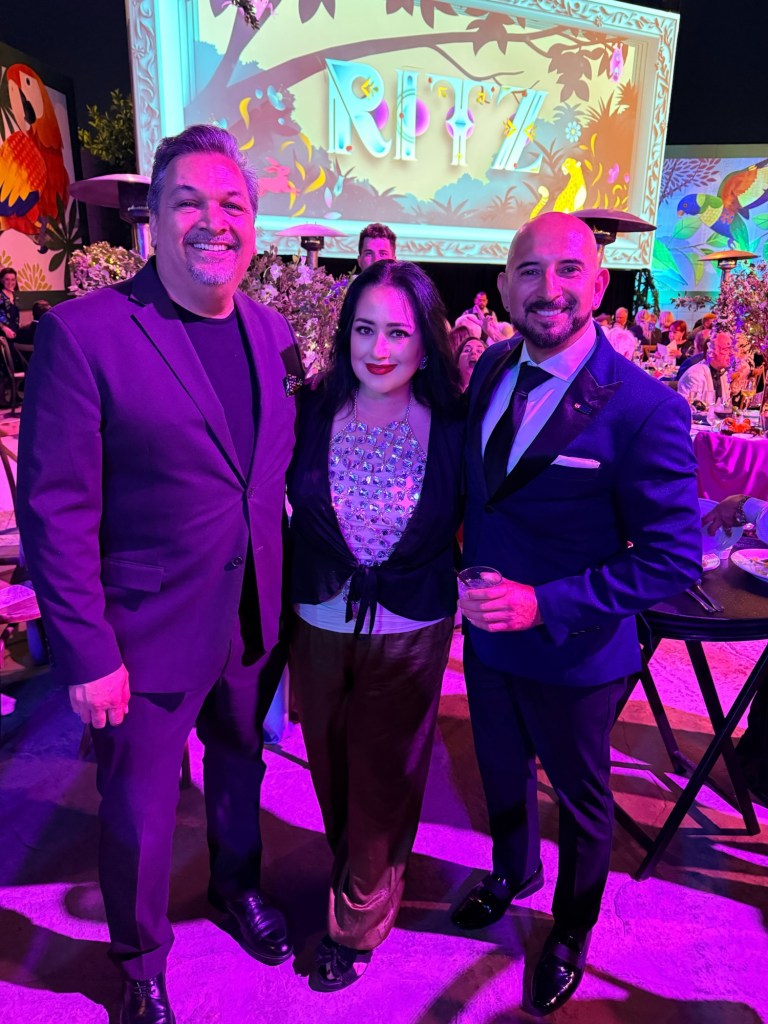
Hace unos días estuve en un evento en el San Diego Zoo, RITZ 2026 (gracias a la invitación de Enrique y gracias a Arnulfo que me llevó) .
Rendezvous In The Park (R•I•T•Z) es el evento del San Diego Zoo donde recaudan dinero para los programas de educación dentro del mismo.
Ese día me encontré con algo que me dejó pensando más de lo que debería.
No fue una obra de arte impresionante.
No fue una joya antigua.
Ni siquiera fue una pieza tecnológica futurista.
Fue algo mucho más profundo.
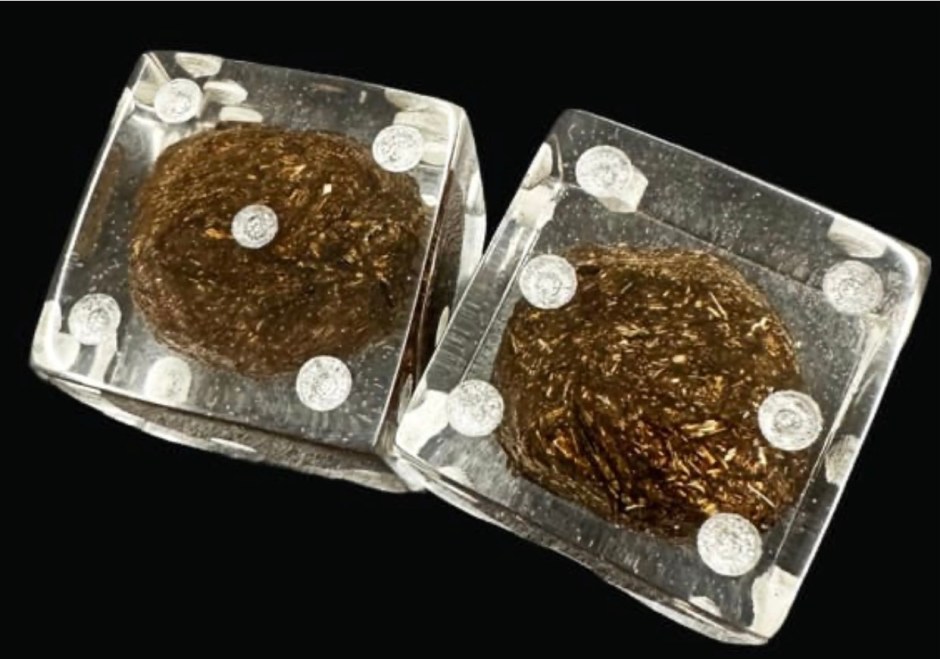
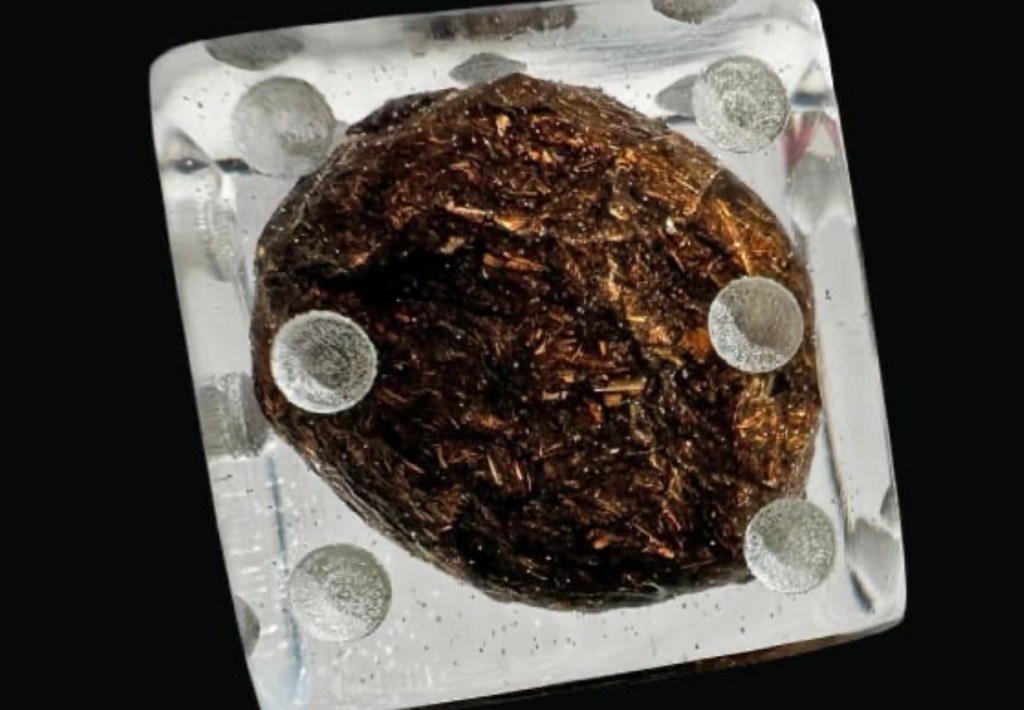
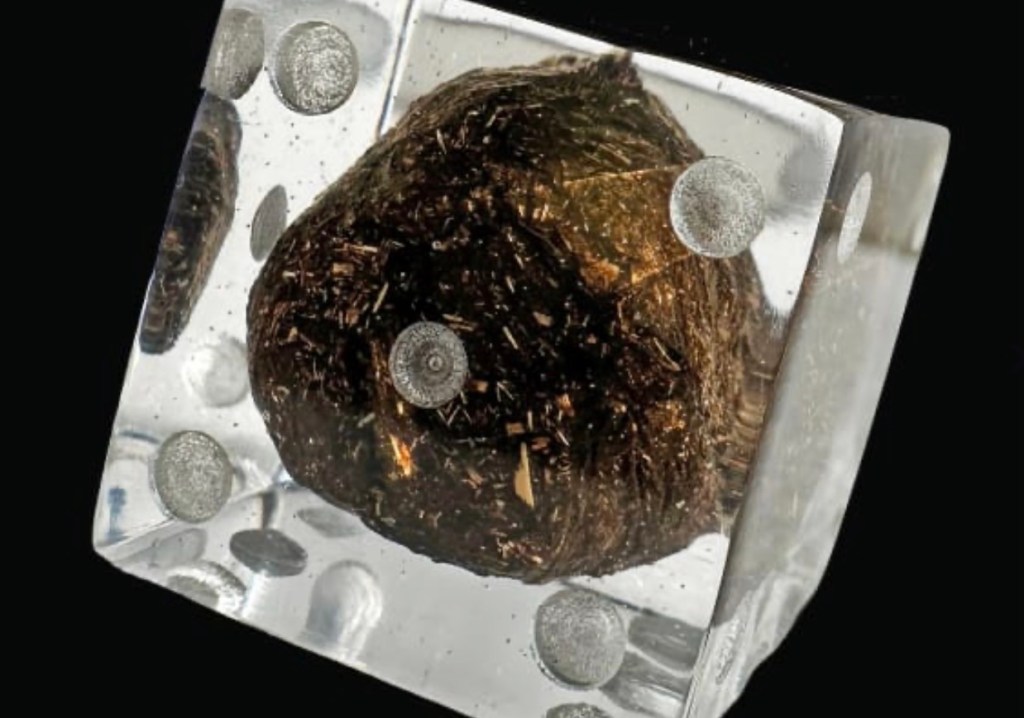
Dos dados hechos con excremento de camello.
Sí.
Dados.
De.
Caca.
Los vi en la subasta, perfectamente exhibidos. Transparentes, elegantes, encapsulados en resina y acompañados por una descripción tan seria y sofisticada que parecía que estaba leyendo sobre el descubrimiento de una nueva galaxia.
Entonces llegué a la parte que terminó de romperme.
Valor estimado: 500 dólares.
Quinientos.
Dólares.
Por caca.
Y fue ahí cuando sentí que algo cambió para siempre dentro de mí.
Porque llevo años creyendo que entiendo cómo funciona el mundo. Trabajo, ahorro, comparo precios, me espero a las ofertas y hago cálculos mentales antes de comprar cualquier cosa que cueste más de lo que quisiera admitir.
Pero aparentemente existe una realidad paralela donde alguien puede decir:
“Voy a pagar 300 dólares por unos dados de caquita de camello”
Y la sociedad responde:
“Excelente inversión”.
No sé ustedes, pero a mí me parece fascinante.
Porque mientras veía esos dados, me di cuenta de que el valor es una de las cosas más extrañas que hemos inventado los seres humanos.
El dinero no vale por el papel.
Los diamantes no valen por ser piedras.
El arte no vale por la pintura.
Todo vale porque suficientes personas decidieron creer en una historia.
Y si una buena historia puede convertir un pedazo de papel en dinero, también puede convertir una caca en un artículo de colección.
Piensen en eso.
En algún momento de la historia alguien tuvo que sentarse y decir:
“Tengo una idea.”
“¿Cuál?”
“Encapsular excremento de camello en resina y hacer dados.”
Y no solo eso.
Alguien más respondió:
“Suena increíble.”
Y otro agregó:
“¿Cuánto cuestan?”
Ese es el verdadero milagro de la humanidad.
No las pirámides.
No internet.
No haber llegado a la Luna.
El verdadero milagro es nuestra capacidad para darle significado a cualquier cosa.
Porque la neta: si yo les digo que encontré una piedra en la calle y quiero venderla en 300 dólares, probablemente me digan que estoy loca.
Pero si les digo:
“Esta piedra representa la conexión ancestral entre el ser humano y la naturaleza, fue recolectada bajo un ritual simbólico y preserva la esencia de una tradición milenaria.”
Ya no es una piedra.
Ahora es una experiencia.
Y quizá hasta me preguntan si acepto tarjeta.
Los dados de caca me hicieron pensar mucho en eso.
En cómo vivimos persiguiendo objetos, marcas y símbolos, creyendo que su valor es absoluto, cuando en realidad casi todo depende del significado que decidimos darle.
Hay personas pagando fortunas por relojes.
Otros coleccionan tenis.
Algunos compran vinos que jamás abrirán.
Y otros, aparentemente, desean tener heces de camello encapsuladas para exhibirlas en su sala.
Y la verdad es que ninguno está equivocado.
Porque el valor nunca estuvo en el objeto.
Está en la historia.
En la emoción.
En lo que representa.
Mi amigo Arnulfo me dijo “Han de tener una historia.”
Ese domingo la busqué en google.
Resulta que estos dados están inspirados en antiguas tradiciones de Mesopotamia, una de las primeras grandes civilizaciones de la humanidad.
Hace miles de años, los juegos de azar y ciertos objetos se juego se elaboraban con materiales que hoy nos parecerían extraños: huesos, piedras, semillas y, sí, incluso heces secas de animales.
De repente todo cambió.
Ya no estaba viendo simplemente dos cubos con caca adentro.
Estaba viendo una pequeña cápsula de historia.
Una representación de cómo jugaban y se entretenían personas hace miles de años.
Una conexión inesperada con nuestros antepasados.
Y aun así…
mi cerebro seguía repitiendo:
Son dados de caca.
Porque hay límites para mi capacidad de sofisticación.
Pero quizá esa sea precisamente la lección.
Las cosas no valen por lo que son.
Valen por las historias que cargan.
Por eso guardamos boletos viejos, fotografías borrosas o camisetas que ya no usamos.
Por eso una herencia familiar puede valer más que el oro.
Y por eso, en una subasta de RITZ 2026, unos dados hechos con excremento de camello pueden costar 500 dólares.
Porque al final, el valor no está en el objeto.
Está en la increíble habilidad humana de ver algo tan chistoso…
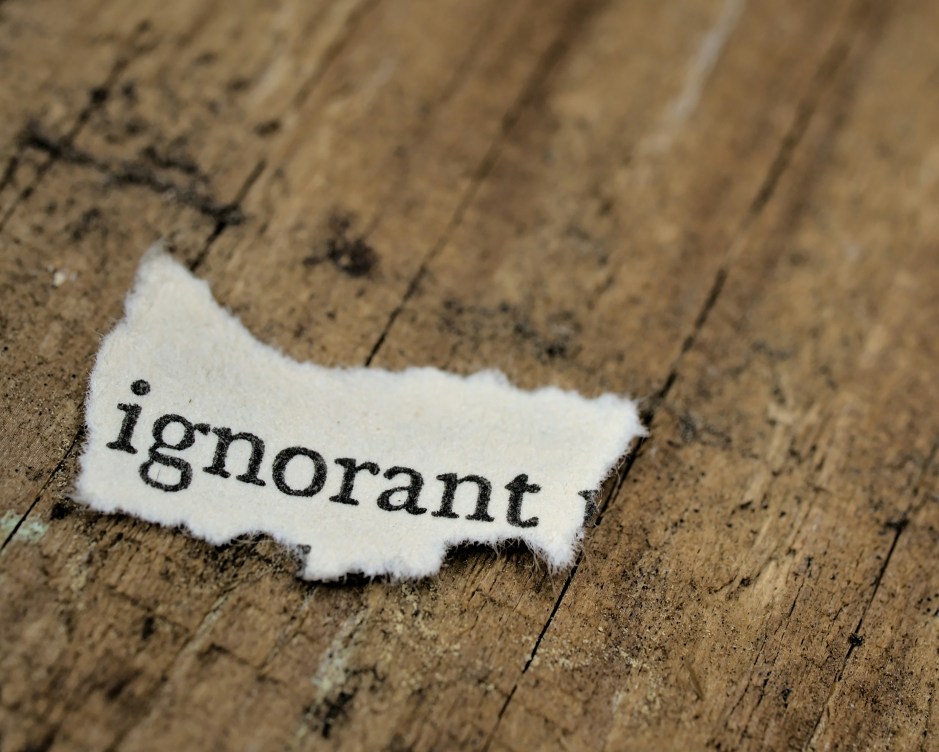
Siempre he pensado que la ignorancia es como la sal. Una poquita en la comida puede ser tolerable. Mucha y arruina todo el platillo.
El problema no es no saber. Nadie nace sabiendo. Yo no nací sabiendo cómo hacer una revista, cómo dirigir una empresa o cómo sobrevivir a una reunión de tres horas que pudo haber sido un correo electrónico de dos párrafos. Todos aprendemos sobre la marcha.
El verdadero peligro aparece cuando alguien no sabe… pero cree que lo sabe todo.
Ahí es donde comienzan los problemas.
Y cuando esa ignorancia se instala en los gobiernos, en los dueños de empresas o en quienes toman decisiones que afectan la vida de miles de personas, deja de ser una simple falta de conocimiento y se convierte en un riesgo público.
Porque una persona ignorante puede equivocarse. Pero una persona ignorante con poder puede llevarse a todos entre las patas.
Todos hemos conocido a alguien así. Ese jefe que nunca ha hecho el trabajo de sus empleados, pero está convencido de que sabe hacerlo mejor que todos. Ese funcionario que toma decisiones sobre comunidades que jamás ha visitado. Ese líder que rechaza datos, estudios y opiniones expertas porque prefiere confiar en “lo que le dice su instinto”.
Y les confieso, yo también confío en mi instinto. Gracias a él sé cuándo un taco está bueno y cuándo me van a cobrar demasiado por una ensalada. Pero para gobernar un país, dirigir una empresa o tomar decisiones importantes, hace falta un poquito más que corazonadas.
Hace falta preparación.
Hace falta escuchar.
Hace falta tener la humildad de admitir cuando uno no sabe algo.
La ignorancia suele caminar tomada de la mano de la arrogancia. Es una combinación peligrosa. Porque mientras la gente inteligente sigue aprendiendo, haciendo preguntas y corrigiendo errores, los ignorantes suelen estar demasiado ocupados explicándole al mundo por qué ellos tienen razón.
Y lo más preocupante es que la ignorancia moderna ya no viene disfrazada de desconocimiento. Ahora viene disfrazada de certeza absoluta.
Vivimos en una época donde muchas personas leen un titular, ven un video de treinta segundos o escuchan una opinión en redes sociales y automáticamente se convierten en expertos en economía, salud, inmigración, educación, política exterior y hasta física cuántica.
Antes la gente estudiaba años para convertirse en especialista.
Ahora algunos se convierten en especialistas entre un video de gatitos y una receta de pastel de zanahoria.
Por eso valoro tanto la curiosidad. Esa capacidad de decir: “No sé, pero voy a investigar”. Es una frase sencilla que podría resolver muchos problemas en el mundo.
Porque la ignorancia no es el enemigo.
El enemigo es la decisión consciente de permanecer ignorante.
(Y eso que no he tocado el tema del abuso de la inteligencia artificial). Mas brutos nos vamos a volver.
Y para cerrar con un ejemplo perfecto, todavía hay personas que creen que Born in the U.S.A. es una canción de orgullo patriótico estadounidense. La ponen en eventos políticos, la usan como himno nacional no oficial y la cantan a todo pulmón.
Lo curioso es que la canción en realidad es una crítica a la manera en que el gobierno trató a los veteranos de la Guerra de Vietnam y a los problemas sociales que enfrentaron al regresar a casa. Pero claro, eso requeriría escuchar la letra completa y no solamente el coro. Y ahí, precisamente, es donde la ignorancia vuelve a hacer de las suyas.
No con saberte el coro significa que te sabes la canción.
Gracias por leerme y nos vemos a la próxima.
Ignorance
I’ve always thought ignorance is a lot like salt. A little bit might be tolerable. Too much, and it ruins the entire dish.
The problem isn’t not knowing. Nobody is born knowing everything. I certainly wasn’t born knowing how to publish a magazine, run a business, or survive a three-hour meeting that could have been a two-paragraph email. We all learn as we go.
The real danger appears when someone doesn’t know something… but is absolutely convinced they know everything.
That’s when the trouble starts.
And when that kind of ignorance finds its way into governments, corporate boardrooms, or the hands of people making decisions that affect thousands, or even millions, of lives, it stops being a personal flaw and becomes a public risk.
Because an ignorant person can make a mistake.
An ignorant person with power can take everyone down with them.
We’ve all met someone like that. The boss who has never done the job of the people reporting to them but is convinced they could do it better than anyone else. The politician making decisions about communities they’ve never visited. The executive who dismisses data, research, and expert opinions because they prefer to trust their “gut feeling.”
Now, don’t get me wrong. I trust my instincts too. They’ve helped me determine whether a taco stand is worth stopping for and whether I’m about to pay way too much for a salad.
But running a country, leading a company, or making decisions that impact people’s lives requires a little more than intuition.
It requires preparation.
It requires listening.
It requires the humility to admit when you don’t know something.
Ignorance and arrogance tend to travel together. They’re a dangerous pair. While intelligent people keep learning, asking questions, and adjusting their views when presented with new information, the ignorant are often too busy explaining why everyone else is wrong.
What worries me most is that modern ignorance no longer disguises itself as lack of knowledge.
Today, it disguises itself as absolute certainty.
We live in a time when people read a headline, watch a thirty-second video, or scroll through a social media post and suddenly become experts in economics, healthcare, immigration, education, foreign policy, and apparently quantum physics.
There was a time when people spent years studying to become experts.
Now some become experts somewhere between a cat video and a recipe for carrot cake.
That’s why I value curiosity so much. The willingness to say, “I don’t know, but I’m going to find out.” It’s a simple sentence that could solve a surprising number of the world’s problems.
Because ignorance itself is not the enemy.
The enemy is choosing to remain ignorant.
(And I haven’t even started on the misuse of artificial intelligence yet.) We’re about to get even dumber.
And perhaps the perfect example is the number of people who still believe Born in the U.S.A. is a patriotic anthem celebrating American pride. It gets played at political rallies, sporting events, and patriotic gatherings as if it were a victory march.
In reality, the song is a sharp critique of how the U.S. government treated Vietnam veterans and the struggles they faced when they returned home. But understanding that would require listening to the lyrics instead of just shouting the chorus. And that, unfortunately, is where ignorance often does its best work.
Just because you can sing the chorus does not mean you know the whole song.
La sensibilidad no es debilidad… aunque algunos todavía se asusten cuando una mujer piensa y siente al mismo tiempo.
Durante años nos vendieron la idea de que sentir mucho era “un problema”. Que si llorabas eras dramática. Que si eras empática eras “muy sentimental”. Y que si una mujer tenía carácter PERO también corazón… híjole, ahí sí ya no sabían qué hacer contigo.
Pero aquí entre nos… las personas más sensibles muchas veces terminan siendo las más fuertes.
Y no, no hablo de andar llorando viendo videos de perritos maltratados en TIKTOK (aunque YO sí). Hablo de tener inteligencia emocional. De saber leer una habitación. De entender cuándo alguien necesita apoyo aunque diga “todo bien”. De tener esa intuición que muchas veces vale más que mil juntas corporativas y veinte Zooms.
Como buena norteña, yo crecí viendo mujeres fuertes de verdad. Mujeres trabajadoras. Mujeres que sacaban adelante familias completas mientras hacían de comer, trabajaban, daban consejos, rezaban por uno… y todavía tenían tiempo de decirte:
“¿Ya comiste?”
Eso también es liderazgo.
Liderar no es gritar más fuerte
Hay gente que todavía cree que ser líder significa ser frío, duro y mandar mucho. Pero la verdad es otra.
Los mejores líderes son los que saben conectar con la gente. Los que escuchan. Los que inspiran confianza. Los que no necesitan humillar a nadie para sentirse importantes.
Porque cualquiera puede imponer miedo.
Pero no cualquiera puede generar respeto.
Y sí, la sensibilidad ayuda muchísimo en eso.
Las mujeres sentimos… y pensamos también.
A veces pareciera que cuando una mujer expresa emociones, automáticamente quieren desacreditarla:
“Ay, está emocional.”
“Ay, anda sensible.”
Somos seres humanos. Lloramos.
Y aun así, seguimos trabajando, creando empresas, levantando familias, liderando equipos y resolviendo problemas que medio mundo no podría manejar ni con tres cafés encima.
La sensibilidad no nos hace menos capaces.
Nos hace más conscientes.
El mundo necesita más humanidad.
Vivimos tiempos donde la gente está cansada, estresada y desconectada. Y honestamente, ya hacen falta más personas con empatía y menos gente que cree que ser grosero es tener personalidad.
Necesitamos líderes humanos.
Personas auténticas.
Gente que todavía tenga corazón.
Porque al final del día, uno puede tener dinero, títulos y éxito… pero si no sabe tratar bien a la gente, algo anda fallando.
Mi reflexión personal:
Con La Revista Binacional, he conocido empresarios, líderes, artistas y personas increíbles. Pero las personas que más me impactan casi siempre tienen algo en común:
Son humanas.
Saben conectar.
Saben escuchar.
Saben hacer sentir importante a los demás.
Y eso no se aprende en un MBA.
Así que no… ser sensible no es debilidad.
Debilidad es no saber manejar emociones y andar haciendo berrinche disfrazado de “carácter fuerte”.
Y pues bueno… ya si lloramos viendo Terms of Endearment o emocionándonos con un mariachi, tampoco pasa nada.
Seguimos siendo personas.
Por eso La Inteligencia Artificial no me da miedo. El día que aprenda esa herramienta a llorar y mi teléfono produzca lágrimas, entonces me preocuparé.
Ahorita no. Mientras más humanos permanezcamos, mejor será todo.
Así que lloren por su equipo favorito. Lloren si una canción los lleva al pasado. Lloren si se machucan un dedo.
Hace unos días escuché por primera vez la historia de “la barca vacía” y me quedé pensando en cuántas veces vivimos enojados por cosas que quizá nunca fueron personales.
La historia es simple.
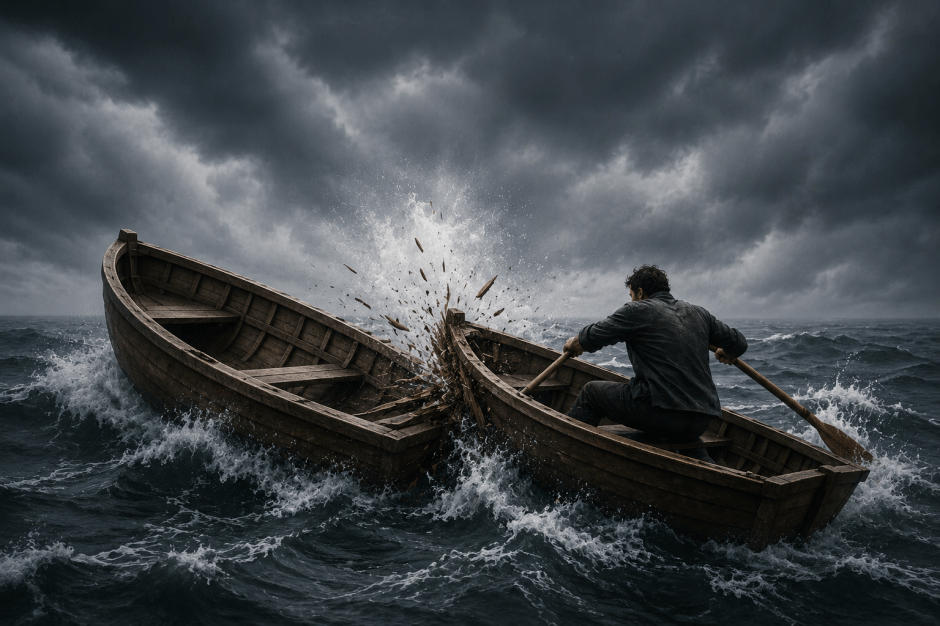
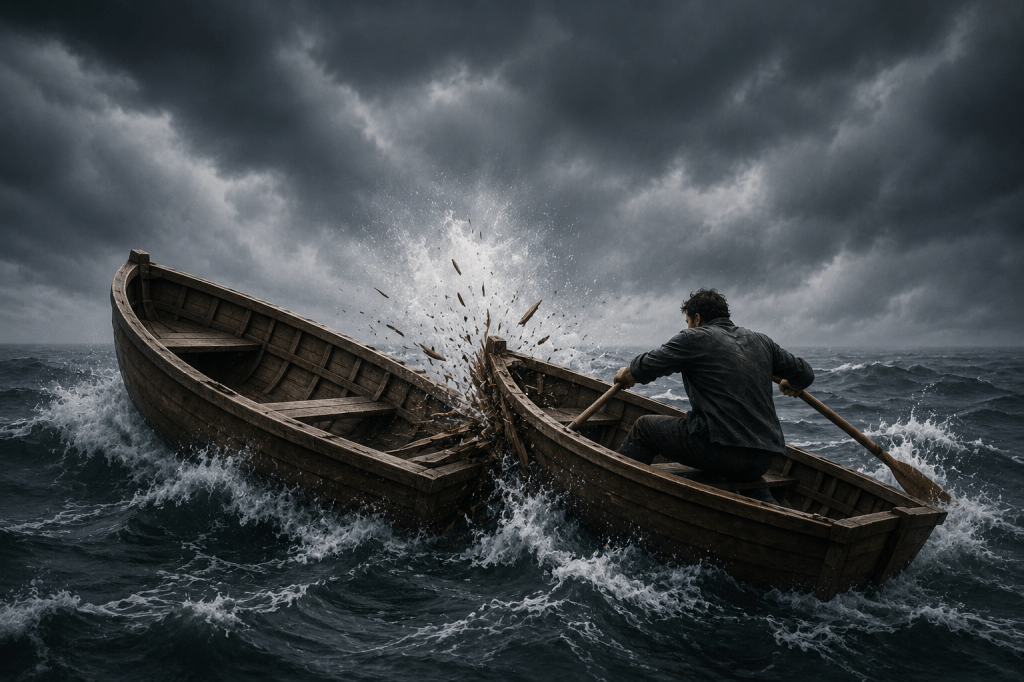
Un hombre iba navegando tranquilamente en su pequeña barca. El lago estaba en calma, el día era perfecto y él disfrutaba el silencio. De pronto, otra barca comenzó a acercarse directamente hacia él. El hombre empezó a desesperarse.
Movía los brazos.
Gritaba.
Trataba de advertirle al otro navegante que iba a chocar.
Pero la otra barca seguía acercándose sin cambiar de dirección.
El hombre, furioso, comenzó a insultar:
“¿Cómo puede alguien ser tan irresponsable?”
“¡Fíjate por dónde vas!”
“¡Idiota!”
Y justo en el momento del impacto, cuando las barcas chocan, el hombre descubre algo inesperado:
La otra barca estaba vacía.
No había nadie manejándola.
Entonces, en un instante, todo su enojo desaparece.
Porque entendió que nadie intentó lastimarlo.
Nadie quiso arruinarle el día.
Simplemente era una barca a la deriva.
Cuando escuché esta historia pensé inmediatamente en la vida diaria. En lo fácil que es asumir que todo lo que hacen los demás tiene que ver con nosotros. Que si alguien no responde un mensaje, es porque nos ignora. Que si alguien habla cortante, es porque está molesto con nosotros. Que si alguien actúa distante, es porque hicimos algo mal.
Y muchas veces no es así.
Muchas veces la otra persona también va peleando sus propias tormentas.
Va distraída.
Va cansada.
Va sobreviviendo.
Va pensando en problemas que nosotros ni imaginamos.
Y mientras nosotros interpretamos el golpe como un ataque personal, la realidad es que tal vez esa persona ni siquiera sabe que nos lastimó.
Vivimos en una época donde reaccionamos demasiado rápido. Todo nos ofende. Todo nos hiere. Todo parece un ataque directo a nuestro valor, a nuestra dignidad o a nuestro corazón.
Pero quizá necesitamos detenernos un poco antes de explotar y preguntarnos:
¿Y si la barca viene vacía?
No estoy diciendo que debemos permitir faltas de respeto o justificar malas acciones. Claro que hay personas crueles. Claro que existen heridas intencionales. Pero también existen muchísimos momentos donde el dolor no nace de la maldad, sino de la desconexión humana.
A veces alguien hiere porque está roto.
A veces alguien olvida porque está saturado.
A veces alguien se aleja porque no sabe cómo quedarse.
A veces alguien responde mal porque lleva semanas cargando algo pesado por dentro.
Y eso cambia todo.
Porque cuando dejamos de tomarlo tan personal, recuperamos paz.
Creo que una de las mayores formas de madurez emocional es aprender a no reaccionar inmediatamente desde el ego. Entender que no todo gira alrededor de nosotros. Que la vida de los demás también es complicada. Que todos estamos tratando de navegar este lago como podemos.
Pensé también en cuántas veces yo misma he sido “la barca vacía” para alguien más.
Cuántas veces quizá hice sentir mal a alguien sin darme cuenta.
Cuántas veces estuve tan ocupada, tan distraída o tan agotada, que no vi cómo mis acciones afectaban a otra persona.
Y eso también da humildad.
Porque normalmente somos rápidos para sentirnos víctimas, pero lentos para reconocer cuando nosotros también hemos chocado con otros sin intención.
Esta historia no habla solamente del enojo.
Habla de compasión.
De aprender a respirar antes de reaccionar.
De dejar espacio para la duda.
De entender que no conocemos las batallas ajenas.
Hay personas que están atravesando divorcios silenciosos.
Problemas económicos.
Depresión.
Miedo.
Duelo.
Ansiedad.
Soledad.
Y aun así salen a trabajar, sonríen, contestan llamadas y siguen adelante como pueden.
Tal vez por eso necesitamos un poco más de gracia entre nosotros.
Menos ataques inmediatos.
Menos conclusiones rápidas.
Menos orgullo.
Porque no sabemos si la otra persona simplemente es una “barca vacía” flotando mientras intenta no hundirse.
Desde que escuché esta historia, trato de recordarla cada vez que alguien me desespera en el tráfico, cuando recibo un mensaje seco o cuando siento que alguien actuó de manera injusta conmigo.
Y honestamente, sí ayuda.
No porque mágicamente desaparezcan los problemas, sino porque cambia la perspectiva. Y muchas veces el sufrimiento no viene del golpe… sino de la interpretación que hacemos del golpe.
Quizá la paz comienza ahí:
En dejar de asumir intención donde tal vez solo existe cansancio humano.
La próxima vez que alguien choque contigo emocionalmente, antes de reaccionar con enojo, recuerda asomarte dentro de la otra barca.