La Voz de la Mujer

Anoche, en el evento de Kyoto Prize Symposium, tuve la oportunidad de escuchar hablar a Carol Gilligan, una de las grandes pensadoras de la psicología contemporánea. Autora de múltiples libros y reconocida por su trabajo sobre el desarrollo moral, Gilligan ha dedicado su vida a estudiar cómo hombres y mujeres perciben el mundo y cómo esa diferencia se refleja en la manera en que hablamos, sentimos y tomamos decisiones.
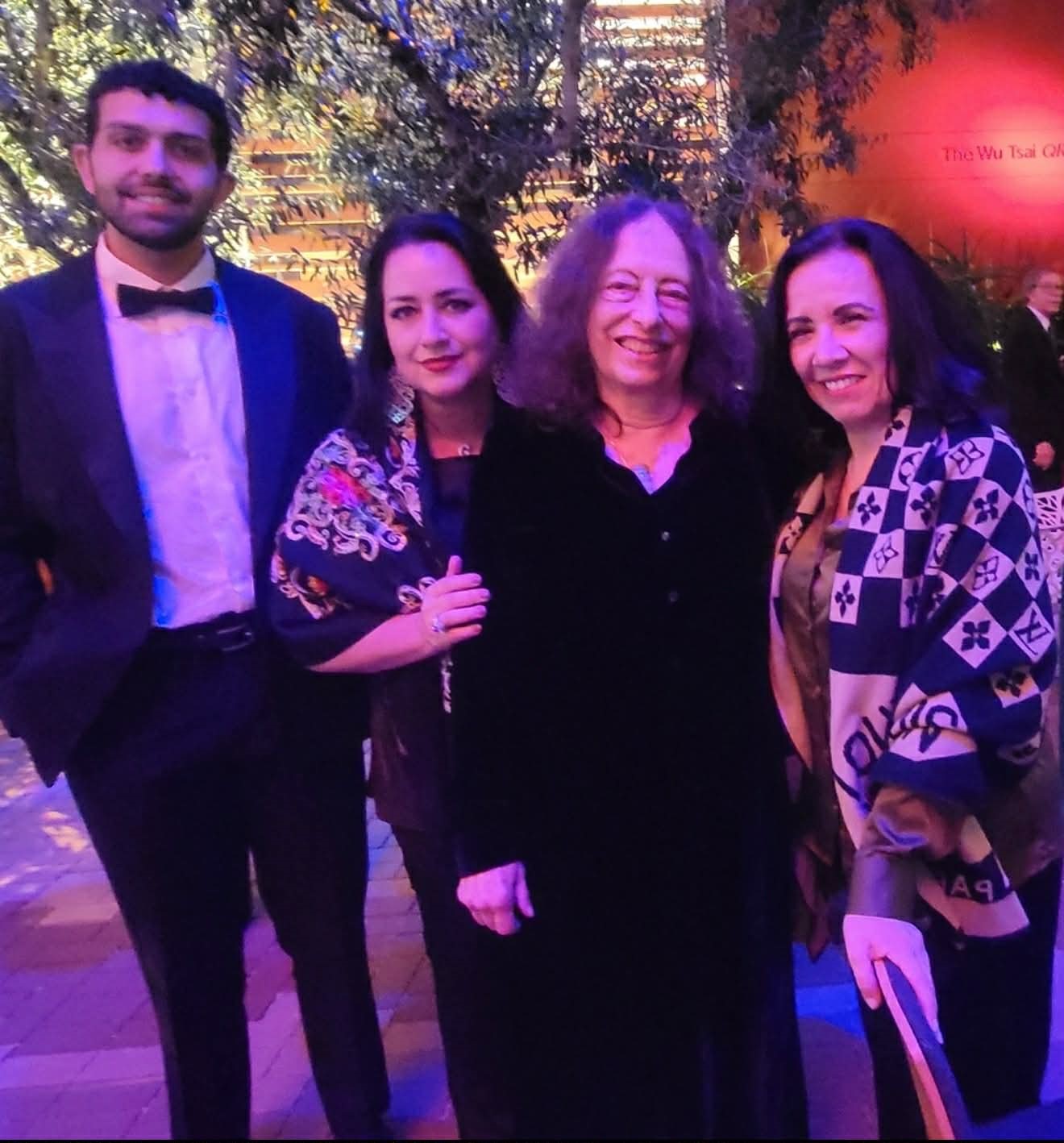
Su teoría, tan debatida como influyente, plantea algo profundamente humano: que históricamente se ha privilegiado una visión de la moral basada en la razón, la norma y la estructura, mientras que la voz femenina muchas veces surge desde el cuidado, la empatía y la relación con los otros. No es que uno sea mejor que el otro; son simplemente maneras distintas de comprender la vida.

Mientras la escuchaba, pensaba en lo oportuno que resulta reflexionar sobre esto después del 8 de marzo, el Día Internacional de la Mujer.

Como cada año, las calles de muchas ciudades del mundo se llenaron de marchas, consignas y también de polémica. En algunos lugares, las protestas terminaron en confrontaciones, daños materiales o momentos de tensión. Y entonces aparecieron las voces conocidas: críticas, juicios rápidos, y comentarios que decían cosas como:

“A mí esas mujeres no me representan.”

Es una frase que escucho cada año.

Mujeres que dicen:
“No estoy de acuerdo con esa forma de protestar.”
“Yo no marcho.”
“Eso no me representa.”

Y la verdad es que, cuando lo escucho, mi reacción no es enojo. Es otra.

“¡Qué bueno!”

Sí, qué bueno que muchas mujeres puedan decir que esas marchas no las representan. Qué bueno que puedan sentirse ajenas a ese grito, a esa rabia, a esa urgencia.

Porque muchas veces eso significa que nunca han tenido que vivir el dolor que origina ese grito.

Significa que quizás nunca han perdido a una hija, una hermana, una madre o una amiga por violencia contra la mujer.
Significa que quizá nunca han tenido que denunciar a alguien que las lastimó.
Significa que tal vez nunca han sentido el miedo de caminar solas de noche con el corazón acelerado.

Y eso, sinceramente, es una bendición.

Pero hay otras mujeres, muchas más de las que quisiéramos imaginar, para quienes el 8 de marzo no es solo una fecha simbólica. Para ellas es una herida abierta. Es memoria. Es ausencia.

Es la silla vacía en la mesa.

Por eso, cuando vemos la intensidad de algunas protestas, la pregunta no debería ser: “¿Por qué están tan enojadas?”

La pregunta debería ser: ¿qué tuvo que pasar para que ese enojo exista?

Aquí es donde recuerdo nuevamente a Carol Gilligan. Ella hablaba de la importancia de escuchar la voz de la mujer. No solo cuando es suave, articulada y políticamente correcta. También cuando es incómoda, cuando está llena de emoción, cuando rompe las formas.

Porque durante siglos esa voz fue interrumpida, minimizada o descartada como “demasiado emocional”.

Y sin embargo, en esa emoción hay verdad.

No todas las mujeres marchan.
No todas las mujeres gritan consignas.
No todas las mujeres están de acuerdo con las mismas formas de protesta.

Y está bien.

La diversidad de voces también es parte de la libertad.

Pero lo que sí deberíamos evitar es el juicio fácil entre nosotras mismas. Porque cada mujer habla desde su historia, desde sus heridas o desde su tranquilidad.

Una mujer que no marcha puede estar agradecida por la vida que ha tenido.
Una mujer que sí marcha puede estar cargando una historia que jamás quisiéramos vivir.

Ambas realidades existen.

El peligro aparece cuando empezamos a invalidar la experiencia de la otra.

Cuando decimos: “Exageran.”
Cuando decimos: “Eso no pasa.”
Cuando decimos: “No deberían protestar así.”

La historia de los movimientos sociales, todos ellos, nos recuerda que el cambio rara vez nace desde la comodidad.

Nace desde la incomodidad.

Quizá el verdadero reto hoy no sea decidir quién nos representa o quién no. Quizá el reto sea algo más profundo: escuchar la voz de las mujeres en todas sus formas.

La voz de la madre.
La voz de la empresaria.
La voz de la joven que empieza su camino.
La voz de la que protesta.
La voz de la que observa en silencio.

Todas forman parte de una misma conversación.

Y si algo aprendí escuchando a Carol Gilligan es que cuando finalmente dejamos hablar a la voz de la mujer, sin interrumpirla, sin juzgarla, sin reducirla, descubrimos algo poderoso:

Que detrás de cada palabra hay una historia.

Y detrás de cada historia, una verdad que merece ser escuchada.

Créanme. A mí si me desaparecen a mi hija y voy a pedir ayuda a las autoridades y pasan años sin tener noticias, yo no voy a pintar los monumentos de rosa. Yo voy a encontrar la manera de que la ciudad arda en llamas.

NOS VEMOS A LA PROXIMA.

The Voice of Women

Yesterday, at the KYOTO PRIZE SYMPOSIUM, I had the opportunity to listen to Carol Gilligan, one of the great thinkers of contemporary psychology. The renowned author of several influential books, Gilligan has spent much of her career studying how men and women perceive the world differently, and how those differences shape the way we express ourselves, reason, and connect with others.

Her work, both celebrated and debated, introduced an idea that feels deeply human: that for generations society has elevated a moral framework centered on rules, structure, and logic, while the female voice has often emerged from a place of care, empathy, and relationships. It is not that one is superior to the other; they are simply different ways of understanding life.

As I listened to her speak, I couldn’t help but think about how relevant her words felt now that March 8th, International Women’s Day, has just passed.

Like every year, cities around the world filled with marches, slogans, and powerful demonstrations. In some places, the protests turned tense, sometimes even violent, and immediately the familiar reactions followed—criticism, quick judgments, and the same sentence repeated over and over again:

“Those women do not represent me.”

It is a phrase I hear every year.

Women saying:
“I don’t agree with those protests.”
“I would never march like that.”
“That does not represent me.”

And the truth is, when I hear those words, my reaction is not anger.

It is something else.

Good.

Yes, good.

Good that many women feel they are not represented by that anger, that urgency, that raw expression of pain.

Because very often it means something important: they have never had to live the experience that fuels that anger.

It may mean they have never lost a daughter, a sister, a mother, or a friend to violence against women.
It may mean they have never had to report abuse.
It may mean they have never walked down a street at night with fear tightening their chest.

And that, truly, is a blessing.

But there are other women, far more than we would like to imagine, for whom March 8th is not simply a symbolic day. For them, it is memory. It is grief. It is absence.

It is the empty chair at the table.

So when we witness the intensity of some of these protests, perhaps the real question should not be: “Why are they so angry?”

The real question should be: What had to happen for that anger to exist?

This is where I remember Carol Gilligan’s message again. She spoke about the importance of listening to the voice of women. Not only when that voice is calm, composed, and socially acceptable. But also when it is emotional, uncomfortable, and disruptive.

For centuries, the female voice was interrupted, dismissed, or labeled as too emotional.

And yet within that emotion, there is often truth.

Not all women march.
Not all women shout slogans in the streets.
Not all women agree on the same ways of protesting.

And that is perfectly fine.

The diversity of voices is also part of freedom.

But what we should avoid is judging one another too quickly. Because every woman speaks from her own story, from her own wounds, or from the peace of not having those wounds.

A woman who does not march may simply feel grateful for the life she has lived.
A woman who does march may be carrying a story no one should ever have to endure.

Both realities exist.

The danger begins when we start invalidating each other’s experiences.

When we say: “They exaggerate.”
When we say: “That doesn’t happen.”
When we say: “They shouldn’t protest like that.”

History reminds us that social change rarely begins in comfort.

It begins in discomfort.

Perhaps the real challenge today is not deciding who represents us and who does not. Perhaps the real challenge is something deeper: to listen to the voice of women in all its forms.

The voice of the mother.
The voice of the entrepreneur.
The voice of the young girl beginning her path.
The voice of the protester.
The voice of the woman who observes quietly.

All of them are part of the same conversation.

And if there is one thing I took away from listening to Carol Gilligan, it is this: when we truly allow the voice of women to be heard, without interruption, without judgment, without reduction, we discover something powerful.

Behind every voice, there is a story.

And behind every story, there is a truth that deserves to be heard.

Believe me. If my daughter disappears and I go to the authorities for help, and years go by without any news, I’m not going to vandalize the monuments with pink paint. I’m going to find a way to set the city ablaze.

SEE YOU NEXT TIME.
Mentira, Servida

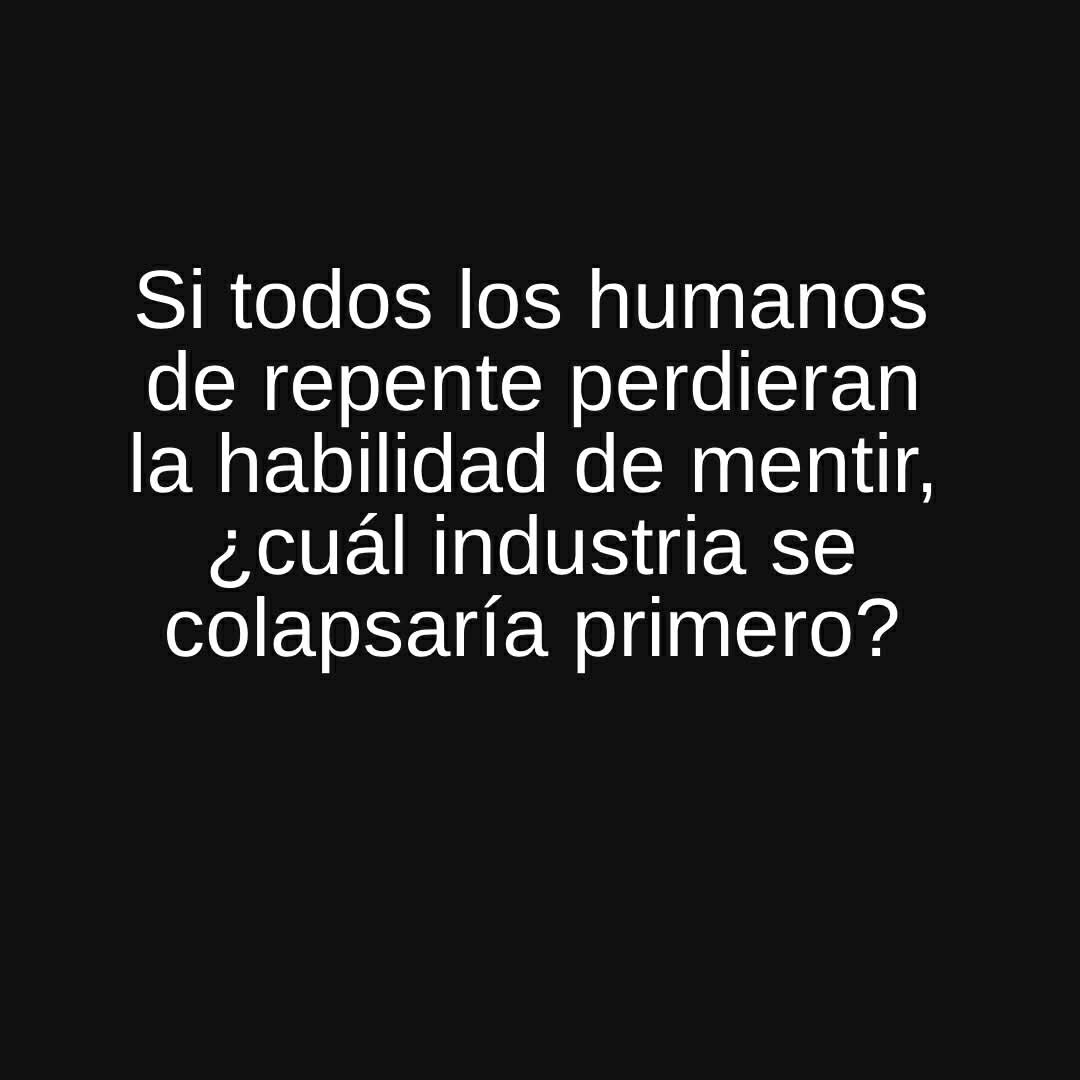
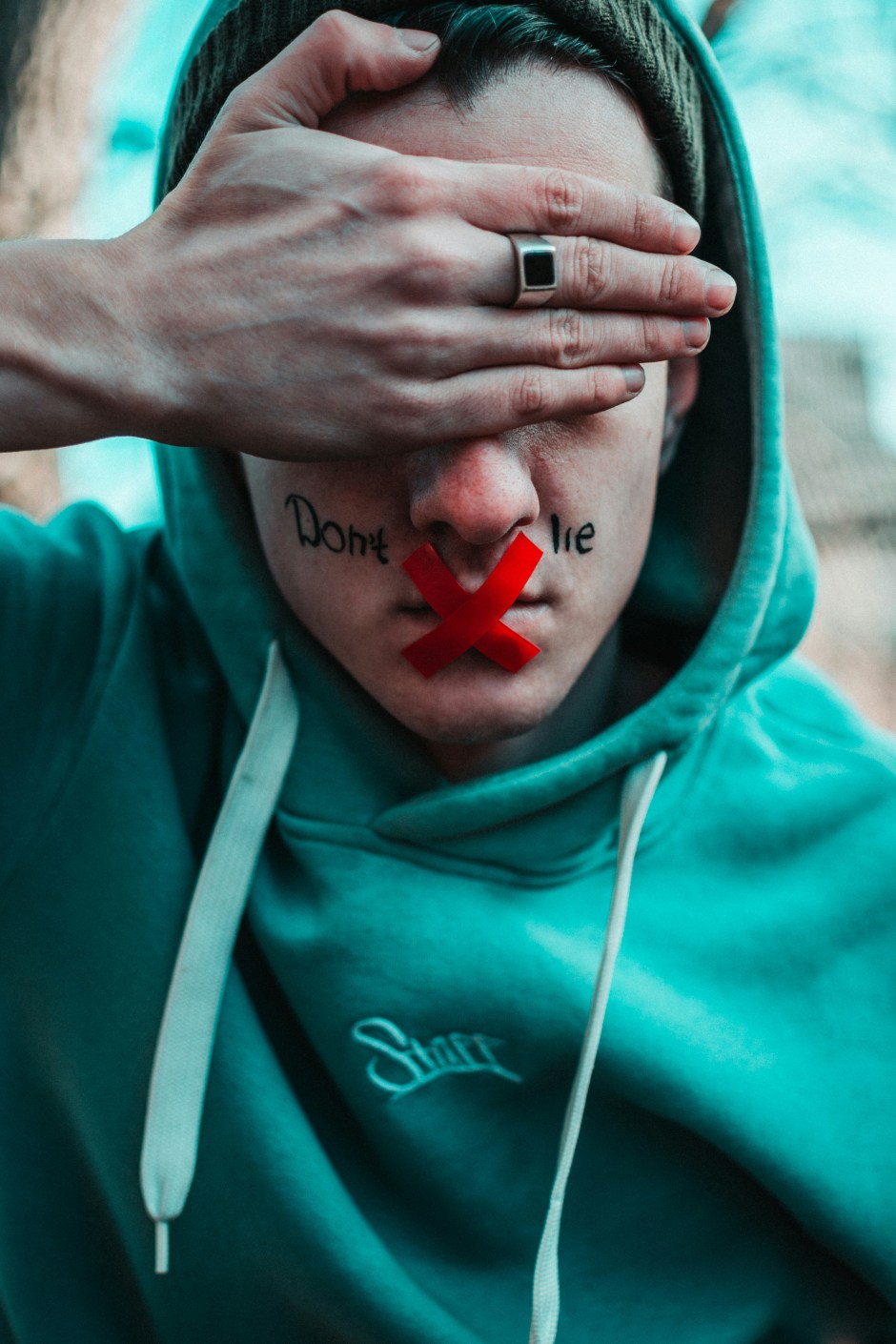
Estaba haciendo nada en el internet (ya se, en lugar de descansar), cuando me topé con una imagen:

Imaginemos por un momento: de repente, todos los humanos perdemos la capacidad de mentir. Así, sin aviso. Un lunes cualquiera te despiertas, te cepillas los dientes, te ves al espejo… y ya no puedes mentir. Ni una mentirita blanca. Nada. (Como le pasó a Jim Carrey en aquella película noventera).

¿Se imaginan el desastre?

Porque, aceptémoslo: la civilización moderna está sostenida por tres pilares fundamentales. El WiFi, el café… y las pequeñas mentiras sociales.

Imaginen el desayuno.

“¿Te gustó el desayuno?”
“En realidad no. Está un poco salado el huevo y el café sabe a calcetín.”

Buen inicio del día.

Ahora pensemos en las reuniones de trabajo.

“¿Leíste el reporte?”
“No. Lo abrí, vi que tenía 28 páginas y decidí confiar en el resumen del ChatGPT.”

O ahora que TODOS se creen autores por usar la Inteligencia Artificial para escribir. (Y luego lo niegan).

En cuestión de horas, el mundo laboral se vuelve un reality show.

Pero volvamos a la pregunta importante: ¿qué industria colapsaría primero?

Muchos dirían la política. Y sí, sería un espectáculo digno de Netflix.

“Prometo bajar los impuestos.”
“En realidad no tengo idea de cómo hacerlo, pero suena bien en campaña.”

Fin del discurso. Fin de la campaña. Fin del partido. Fin del misterio sobre los Epstein Files y la complicidad del actual presidente estadounidense.

Pero curiosamente, creo que la política no sería la primera en caer. De hecho, tal vez sobreviviría porque por primera vez sería… honesta.

No. La verdadera catástrofe sería la industria de las citas románticas.

Imaginen las primeras citas.

“¿Qué te gustó de mi perfil?”
“Honestamente, en las fotos parecías más joven.” (A mí me han dicho: “Eres muy fotogénica”)

“¿Buscas algo serio?”
“No estoy seguro. Principalmente quería ver si el restaurante era bueno.”

Tinder se convertiría en un cementerio digital en cuestión de 48 horas.

Luego vendría la industria del marketing.

“Este producto cambiará tu vida.”
“Bueno… no realmente. Pero es mejor que el de la competencia.”

“Crema anti-edad.”
“No elimina arrugas. Solo hidrata un poco.”

Las agencias de publicidad cerrarían más rápido que una tienda de Blockbuster en 2010. (Menos LA REVISTA BINACIONAL, porque siempre decimos la verdad).

Pero si seguimos bajando por la lista, hay otro sector que sufriría muchísimo: las redes sociales.

Influencer:
“¡Buenos días, amigos! Aquí feliz empezando el día.”

Realidad obligatoria:
“Dormí mal, estoy cansado y la foto me tomó 47 intentos. Y luego para que me den dos likes nada mas”

Adiós filtros emocionales. Y adiós a los filtros en las fotos.

Por eso, todo mundo dice: “Estamos mejor ahora que de jóvenes”. Pues la verdad no. Están mejores las cámaras y los filtros hoy en día.

Aunque, pensándolo bien, habría algo hermoso en todo esto. Un caos absoluto, sí… pero también una transparencia de miedo.

Las reuniones familiares serían inolvidables.

“¿Qué te parece mi nuevo corte de cabello?”
“Parece que perdiste una apuesta.” (Aunque en mi familia ese tipo de carrilla es muy común).

Las fiestas navideñas durarían máximo 35 minutos.

Pero también habría momentos inesperadamente buenos.

“¿Por qué me ayudaste?”
“Porque realmente me importas.”

“¿Te gusta pasar tiempo conmigo?”
“Sí. Mucho.”

Y quizás ahí está la parte interesante del experimento. Si nadie pudiera mentir, al principio todo explotaría: negocios, relaciones, discursos, promesas… todo.

Pero después de la tormenta inicial, tal vez el mundo sería más simple.

Los restaurantes sabrían exactamente qué mejorar.
Las empresas sabrían qué productos realmente sirven.
Los políticos dirían lo que realmente piensan (lo cual sería aterrador, pero útil).

Y las relaciones que sobrevivieran… serían de verdad. (“Mi amor, es solo una amiga”).

Aunque hay algo que sí tengo clarísimo.

Si mañana nadie pudiera mentir, la industria que colapsaría en cuestión de minutos sería la de los cumplidos sociales.

“Te ves increíble.”
“Gracias.”
“En realidad estás normal, pero el color te favorece.”

Y aun así… sospecho que el mundo seguiría girando.

Solo que con muchas menos reuniones largas…
y muchas más conversaciones incómodas.

Lo cual, pensándolo bien, tampoco suena tan mal.

Es que, la verdad, estamos acostumbrados a vivir entre mentiras. Sí, nos hacen sentir mejor, o tal vez nos sacan de un apuro, o quizá nos ayudan a no lastimar a personas. Pero al final, la verdad siempre sale a la luz. Tarde o temprano.

Así que acostumbremos a ser mas honestos, como los niños, como los borrachos y como los viejitos que ya no les importa quedar bien.

Nos vemos a la próxima.

(¿Ya sigues LA REVISTA BINACIONAL? No mientas)…

LIES, SERVED

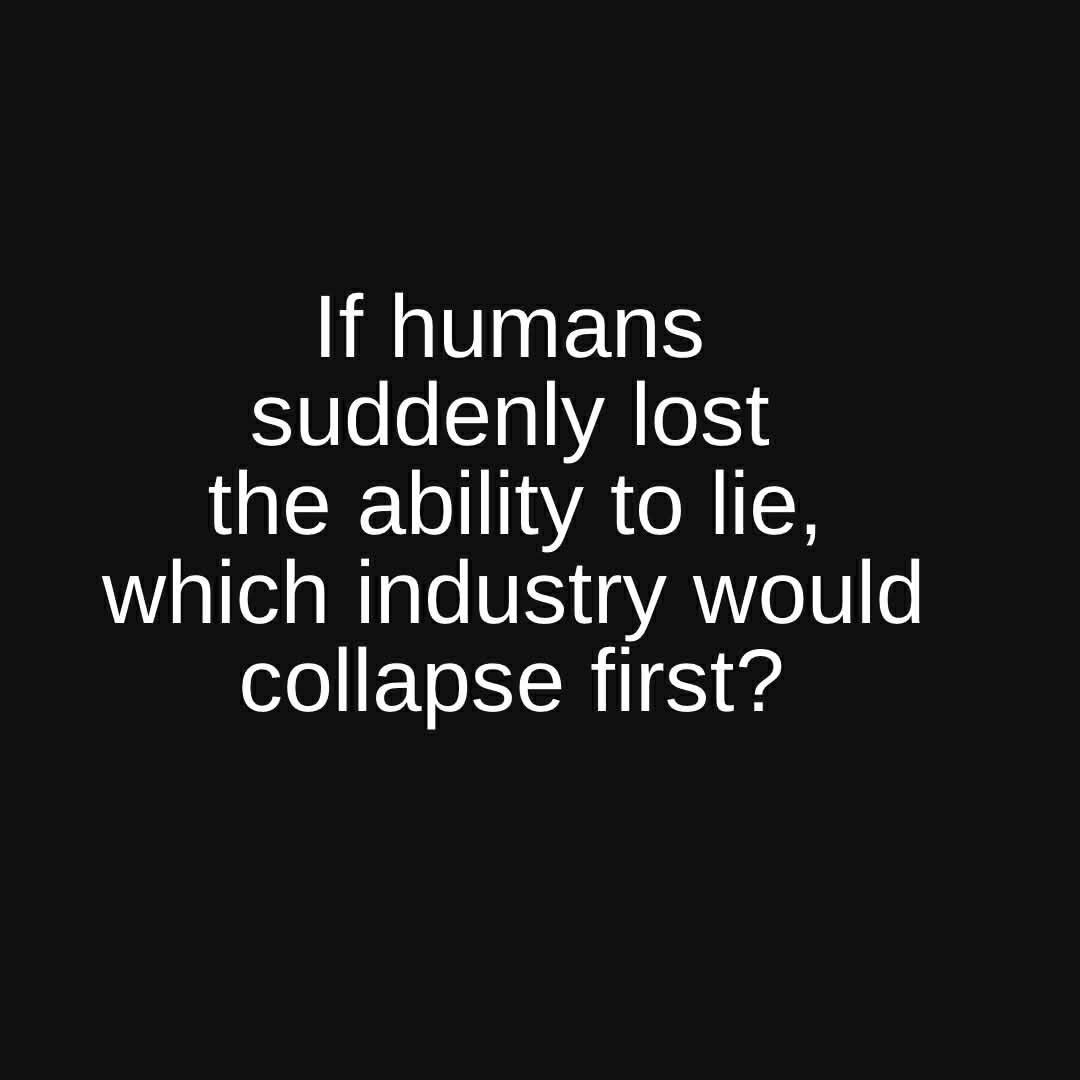
I was doing absolutely nothing on the internet (I know, instead of relaxing), when I stumbled across an image:

Let’s imagine for a moment: suddenly, all humans lose the ability to lie. Just like that, without warning. One ordinary Monday you wake up, brush your teeth, look in the mirror… and you can no longer lie. Not even a little white lie. Nothing. (Like what happened to Jim Carrey in that ’90s movie).

Can you imagine the disaster?

Because, let’s face it: modern civilization is sustained by three fundamental pillars. WiFi, coffee… and little social lies.

Imagine breakfast.

“Did you like breakfast?”

“Not really. The egg is a bit salty and the coffee tastes like dirty sock water.”

Great start to the day.

Now let’s think about work meetings.

“Did you read the report?”

“No. I opened it, saw it was 28 pages long, and decided to trust the summary from ChatGPT.”

Or now that EVERYONE thinks they’re an author for using Artificial Intelligence to write. (And then they deny it).

In a matter of hours, the working world becomes a reality show.

But let’s get back to the important question: which industry would collapse first?

Many would say politics. And yes, it would be a spectacle worthy of Netflix.

“I promise to lower taxes.”

“I actually have no idea how to do it, but it sounds good on the campaign trail.”

End of speech. End of campaign. End of game. End of the mystery surrounding the Epstein Files and the current US president’s complicity.

But curiously, I think politics wouldn’t be the first to fall. In fact, it might survive because for once it would be… honest.

No. The real catastrophe would be the dating industry.

Imagine first dates.

“What did you like about my profile?”

“Honestly, you looked younger in the photos.” (I’ve been told, “You’re very photogenic.”)

“Are you looking for something serious?”

I’m not sure. I mainly wanted to see if the restaurant was any good.”

Tinder would become a digital graveyard in 48 hours.

Then would come the marketing industry.

“This product will change your life.”

Well… not really. But it’s better than the competition’s.”

“Anti-aging cream.”

“It doesn’t eliminate wrinkles. It just moisturizes a little.”

Advertising agencies would close faster than a Blockbuster store in 2010. (Except for LA REVISTA BINACIONAL, because we always tell the truth.)

But if we keep going down the list, there’s another sector that would suffer terribly: social media.

Influencer:

“Good morning, friends! Happy to be starting the day.”

Mandatory reality:

I slept badly, I’m tired, and the photo took 47 tries. And then I only got two likes.”

Goodbye emotional filters. And goodbye to photo filters. That’s why everyone says, “We look better now than when we were young.” Well, the truth is, no. Cameras and filters are better these days.

Although, thinking about it, there would be something beautiful in all of this. Absolute chaos, yes… but also a terrifying transparency.

Family gatherings would be unforgettable.

“What do you think of my new haircut?”

“Looks like you lost a bet.” (Although that kind of teasing is very common in my family).

Christmas parties would last a maximum of 35 minutes.

But there would also be unexpectedly good moments.

“Why did you help me?”

Because I really care about you.”

“Do you like spending time with me?”

Yes. A lot.”

And perhaps that’s the interesting part of the experiment. If no one could lie, everything would explode at first: businesses, relationships, speeches, promises… everything.

But after the initial storm, perhaps the world would be simpler.

Restaurants would know exactly what to improve.

Companies would know which products actually work.

Politicians would say what they really think (which would be terrifying, but useful).

And the relationships that survived… would be real. (“Honey, she’s just a friend.”)

Although there is one thing I am absolutely certain of.

If tomorrow no one could lie, the industry that would collapse in a matter of minutes would be the social compliment industry.

“You look amazing.”

“Thanks.”

“You actually look normal, but the color suits you.”

And yet… I suspect the world would keep turning.

Only with shorter meetings…
and many more awkward conversations.

Which, come to think of it, doesn’t sound so bad.

The truth is, we’re used to living among lies. Yes, they make us feel better, or maybe they get us out of a tight spot, or perhaps they help us avoid hurting people. But in the end, the truth always comes out. Sooner or later.

So let’s get used to being more honest, like children, like drunks, and like old folks who no longer care about keeping a straight face.

See you next time.

Do you follow LA REVISTA BINACIONAL? (Don’t lie).