Proximity Rival: cuando el enemigo vive en tu zona de confort (y a veces en tu lista de favoritos)
Dicen que uno es el promedio de las cinco personas con las que más convive. Si eso es cierto, yo durante muchos años debí haber sido una mezcla de optimismo, esfuerzo… y competencia no solicitada.
Hoy quiero hablar de un concepto que descubrí hace relativamente poco, pero que ha estado presente en mi vida desde que tengo memoria: el proximity rival.
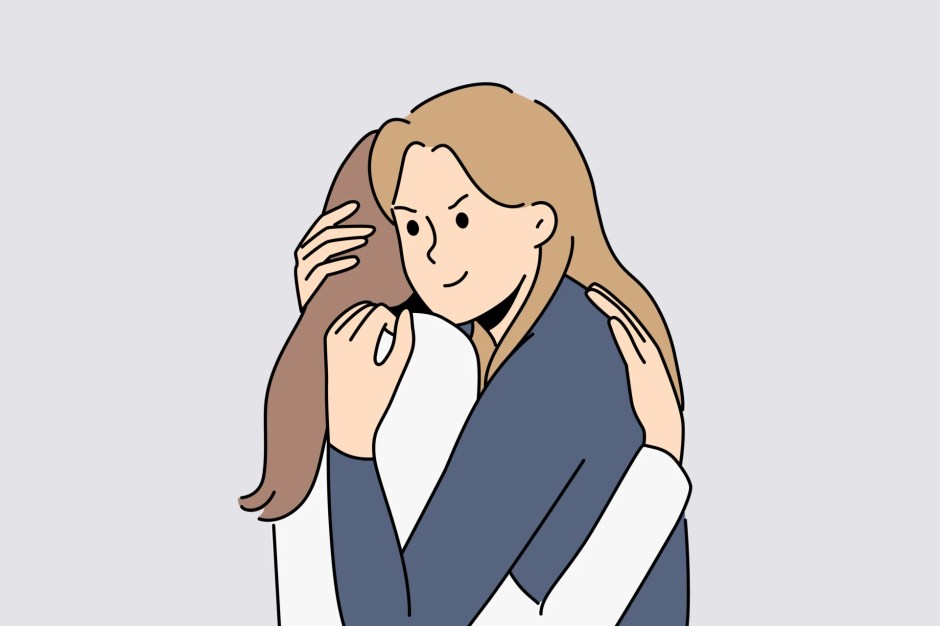
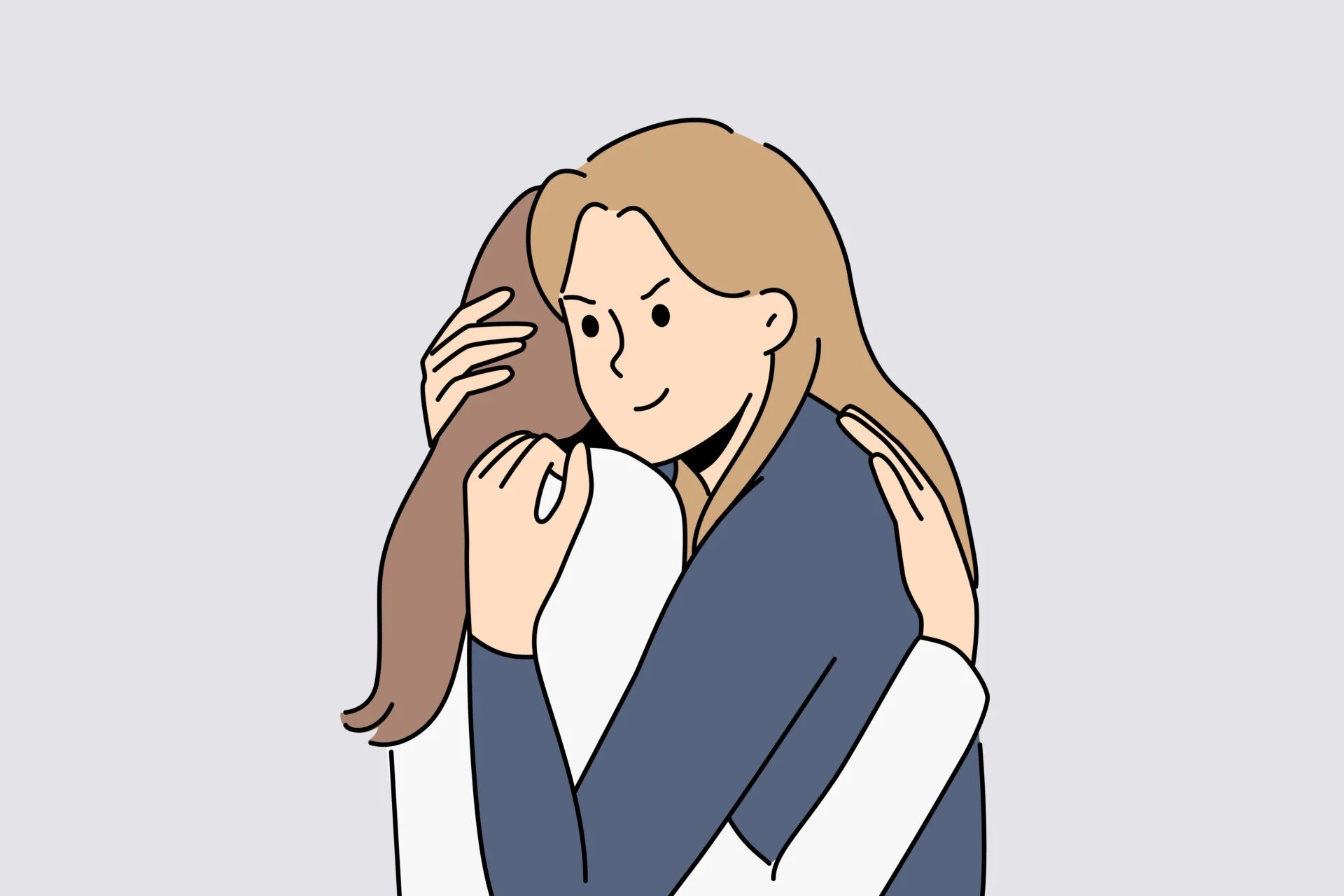
Ese personaje que está cerca de ti, muy cerca, no porque te admire, te quiera o te apoye, sino porque necesita medirse contigo. Compararse. Competir. Y, si es posible, tener asiento en primera fila para ver tus tropiezos.
Sí, ese.
Si eres como yo, probablemente los has tenido desde la infancia. Yo los recuerdo en la escuela: la compañera que preguntaba cuánto habías sacado en el examen, no por curiosidad académica, sino para saber si podía sonreír con superioridad. O la que celebraba tu error con un “ay, qué raro, tú siempre sacas buenas calificaciones”.
Gracias por el apoyo emocional, amiga.
Con los años, los proximity rivals evolucionan. Se vuelven más sofisticados. Ya no preguntan por tu calificación; ahora preguntan por tu negocio, tus proyectos, tus ingresos, tu vida personal… todo con esa sonrisa amable que, si uno presta atención, viene acompañada de una ligera decepción cuando te va bien.
Porque el proximity rival no quiere verte mal exactamente. Solo quiere que no estés mejor que él.
Lo interesante (y lo incómodo) es que muchas veces estas personas no son extraños. No son los “enemigos” obvios de la vida. A veces son amigos. Colegas. Familia. Personas que quieres.

Y ahí es donde se complica la cosa.
Porque poner distancia entre un desconocido negativo es fácil. Bloquear, dejar de frecuentar, desaparecer con elegancia. Pero cuando se trata de alguien cercano, alguien con quien tienes historia, afecto o lealtad… entonces aparece el conflicto interno.
“Pero es que me quiere.”
“Pero es que siempre ha sido así.”
“Pero es que qué va a pensar si me alejo.”
Mientras tanto, tú sigues compartiendo tus sueños con alguien que los convierte en competencia. Sigues contando tus planes a alguien que secretamente espera que no funcionen. Sigues abriendo tu vulnerabilidad a alguien que toma nota… por si algún día la necesita.
Durante muchos años, yo fui lo que hoy llaman una people pleaser. Traducido al español: la que dice que sí a todo, la que no quiere incomodar, la que prefiere tragarse el malestar antes que generar un momento incómodo.
Y déjenme decirles algo con la sabiduría que dan los años: ser complaciente no te trae paz. Te trae cansancio. Resentimiento. Y una agenda llena de personas que no necesariamente están ahí por las razones correctas.
Hoy tengo 53 años. Y hay algo maravilloso que sucede cuando cruzas cierta edad: se te empieza a acabar la paciencia… y también el miedo.
Ahora digo que no.
No a las conversaciones que se sienten como interrogatorio.
No a las relaciones donde hay más comparación que celebración.
No a las personas que aparecen solo cuando algo te sale mal.
No a los comentarios disfrazados de “broma” que en realidad son pequeñas puñaladas emocionales.
Y lo más importante: no a la culpa por poner límites.
Porque durante mucho tiempo pensé que poner distancia era ser fría, egoísta o exagerada. Hoy entiendo que es autocuidado. Que no todo el mundo merece acceso a tu energía, a tus sueños o a tus procesos.
Especialmente los proximity rivals.
Esas personas suelen mantenerse cerca porque tu vida les sirve de referencia. Eres su termómetro. Su comparación. Su medida. Y cuando tú creces, cambias o te alejas, se sienten incómodos.
Lo siento. O bueno… no tanto.
Otra lección importante que aprendí es esta: no tienes que hacer un anuncio oficial. No necesitas una conversación dramática ni un discurso de despedida. A veces la distancia se crea con pequeñas decisiones.
Compartir menos.
Responder menos.
Invitar menos.
Explicar menos.
Y, sobre todo, dejar de buscar su aprobación.
Porque el proximity rival no cambia cuando tú te esfuerzas más en agradarle. Cambia cuando deja de tener acceso a tu escenario.
¿Y el sentido del humor? Fundamental.
Hoy, cuando detecto una pregunta con exceso de curiosidad competitiva, sonrío y respondo en modo minimalista.
“¿Cómo va el proyecto?”
“Bien.”
“¿Y cuánto están facturando?”
“Lo suficiente para dormir tranquila.”
Fin de la entrevista.
La vida es demasiado corta para vivirla en modo comparación. Demasiado corta para rodearte de personas que celebran tus caídas en silencio. Demasiado valiosa para compartir tus sueños con quien los ve como una competencia.
A los 53, ya no me interesa ganar la aprobación de todo el mundo.
Me interesa la paz.
Me interesa la gente que aplaude sin comparar.
La que celebra sin medir.
La que suma sin competir.
Y a los proximity rivals… les deseo lo mejor.
Pero de lejos.


Proximity Rival: When the Enemy Lives in Your Comfort Zone (and Sometimes on Your Favorites List)
They say you are the average of the five people you spend the most time with. If that’s true, for many years I must have been a mix of optimism, hard work… and unsolicited competition.
Today I want to talk about a concept I discovered relatively recently, but which has been present in my life for as long as I can remember: the proximity rival. That person who is close to you, very close, not because they admire, love, or support you, but because they need to measure themselves against you. Compare themselves. Compete. And, if possible, have a front-row seat to witness your stumbles.
Yes, that one.
If you’re like me, you’ve probably had them since childhood. I remember them in school: the classmate who would ask how much you got on the test, not out of academic curiosity, but to see if they could smile with superiority. Or the one who celebrated your mistake with, “Oh, how strange, you always get good grades.”
Thanks for the emotional support, friend.
Over the years, proximity rivals evolve. They become more sophisticated. They no longer ask about your grades; now they ask about your business, your projects, your income, your personal life… all with that friendly smile that, if you pay attention, comes with a slight disappointment when things are going well for you.
Because the proximity rival doesn’t exactly want to see you fail. They just don’t want you to be better off than them.
The interesting (and uncomfortable) thing is that many times these people aren’t strangers. They aren’t life’s obvious “enemies.” Sometimes they’re friends. Colleagues. Family. People you care about.
And that’s where things get complicated.
Because putting distance between yourself and a negative stranger is easy. Block them, stop seeing them, disappear gracefully. But when it’s someone close, someone with whom you have a history, affection, or loyalty… then the internal conflict arises.
“But they love me.”
“But they’ve always been like this.” “But what will they think if I distance myself?”
Meanwhile, you keep sharing your dreams with someone who turns them into competition. You keep telling your plans to someone who secretly hopes they won’t work out. You keep exposing your vulnerability to someone who takes notes… just in case they need them someday.
For many years, I was what they now call a people pleaser. In other words: the one who says yes to everything, the one who doesn’t want to make anyone uncomfortable, the one who prefers to swallow their discomfort rather than create an awkward moment.
And let me tell you something with the wisdom that comes with age: being a people pleaser doesn’t bring you peace. It brings you exhaustion. Resentment. And a calendar full of people who aren’t necessarily there for the right reasons.
Today I’m 53 years old. And there’s something wonderful that happens when you reach a certain age: you start to run out of patience… and also fear.
Now I say no.
No to conversations that feel like interrogations.
No to relationships where there’s more comparison than celebration. No to people who only show up when something goes wrong.
No to comments disguised as “jokes” that are actually little emotional stabs.
And most importantly: no to feeling guilty for setting boundaries.
Because for a long time I thought that creating distance was being cold, selfish, or dramatic. Today I understand that it’s self-care. That not everyone deserves access to your energy, your dreams, or your processes.
Especially proximity rivals.
These people tend to stay close because your life serves as a reference point for them. You’re their barometer. Their comparison. Their measure. And when you grow, change, or distance yourself, they feel uncomfortable.
I’m sorry. Or well… not really.
Another important lesson I learned is this: you don’t have to make an official announcement. You don’t need a dramatic conversation or a farewell speech. Sometimes distance is created with small decisions.
Share less.
Reply less.
Invite less.
Explain less.
And, above all, stop seeking their approval.
Because your proximity rival doesn’t change when you try harder to please them. They change when they lose access to your stage.
And a sense of humor? Essential.
Today, when I detect a question tinged with competitive curiosity, I smile and answer in a minimalist way.
“How’s the project going?”
“Good.”
“And how much are you making?”
“Enough to sleep soundly.”
End of interview.
Life is too short to live in comparison mode. Too short to surround yourself with people who silently celebrate your failures. Too precious to share your dreams with those who see them as competition.
At 53, I’m no longer interested in winning everyone’s approval.
I’m interested in peace.
I’m interested in people who applaud without comparing.
Those who celebrate without measuring.
Those who contribute without competing.
And to my proximity rivals… I wish them all the best.
But from a distance.

 gina dewar