

La Trailita: Cuando el Asfalto se Vuelve Hogar (Temporal)
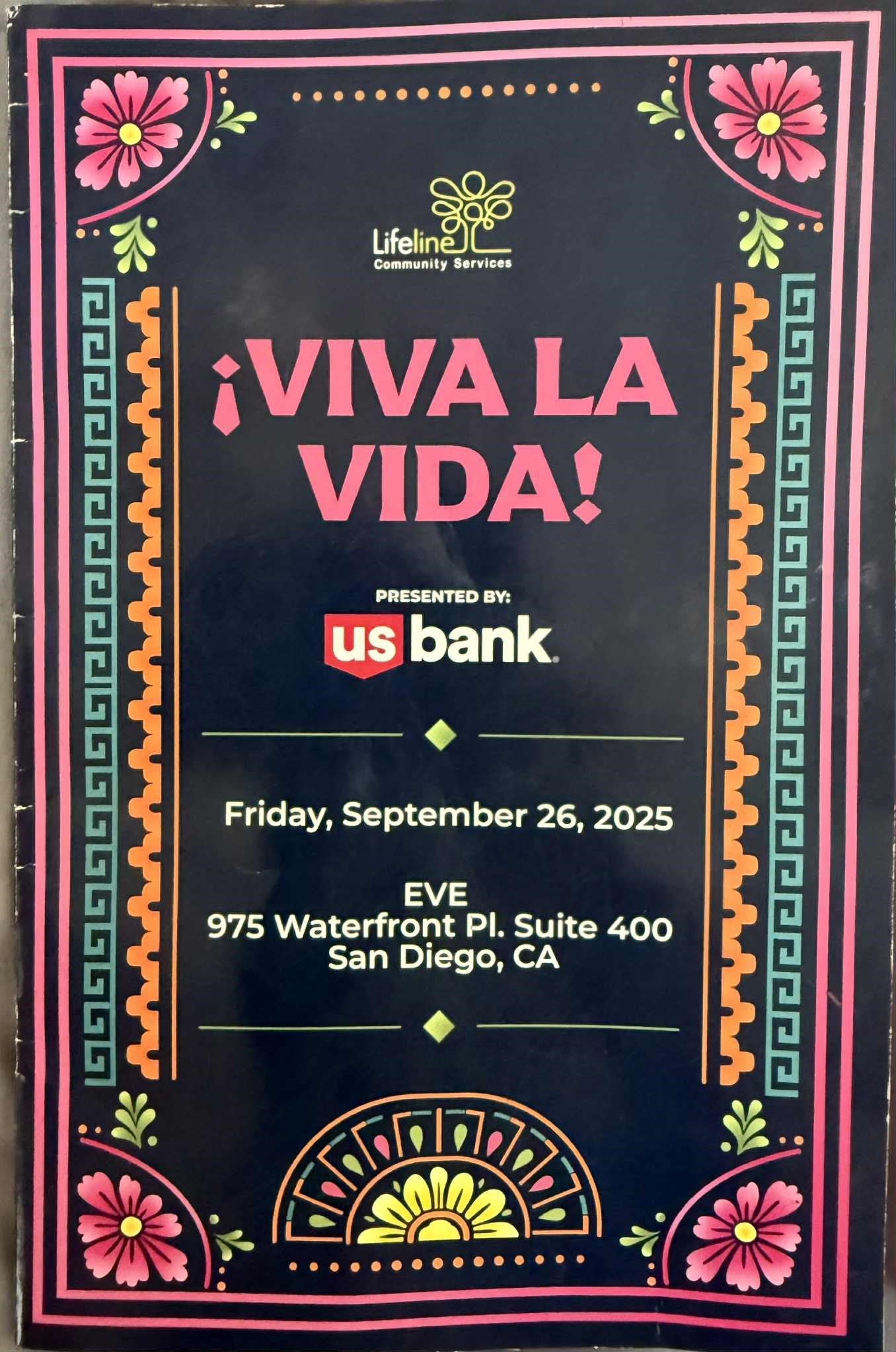
Estuvimos La Revista Binacional (Rafael García y yo) en el evento “Viva La Vida”, la gala donde Lifeline Community Services reúne a toda la gente de San Diego que los apoya y respalda. La Revista Binacional fue orgullosamente patrocinador de medios. Mi amiga Lisette Islas, la CEO de dicha fundación, fue la anfitriona perfecta en un lugar colorido, aromático y lleno de amor.

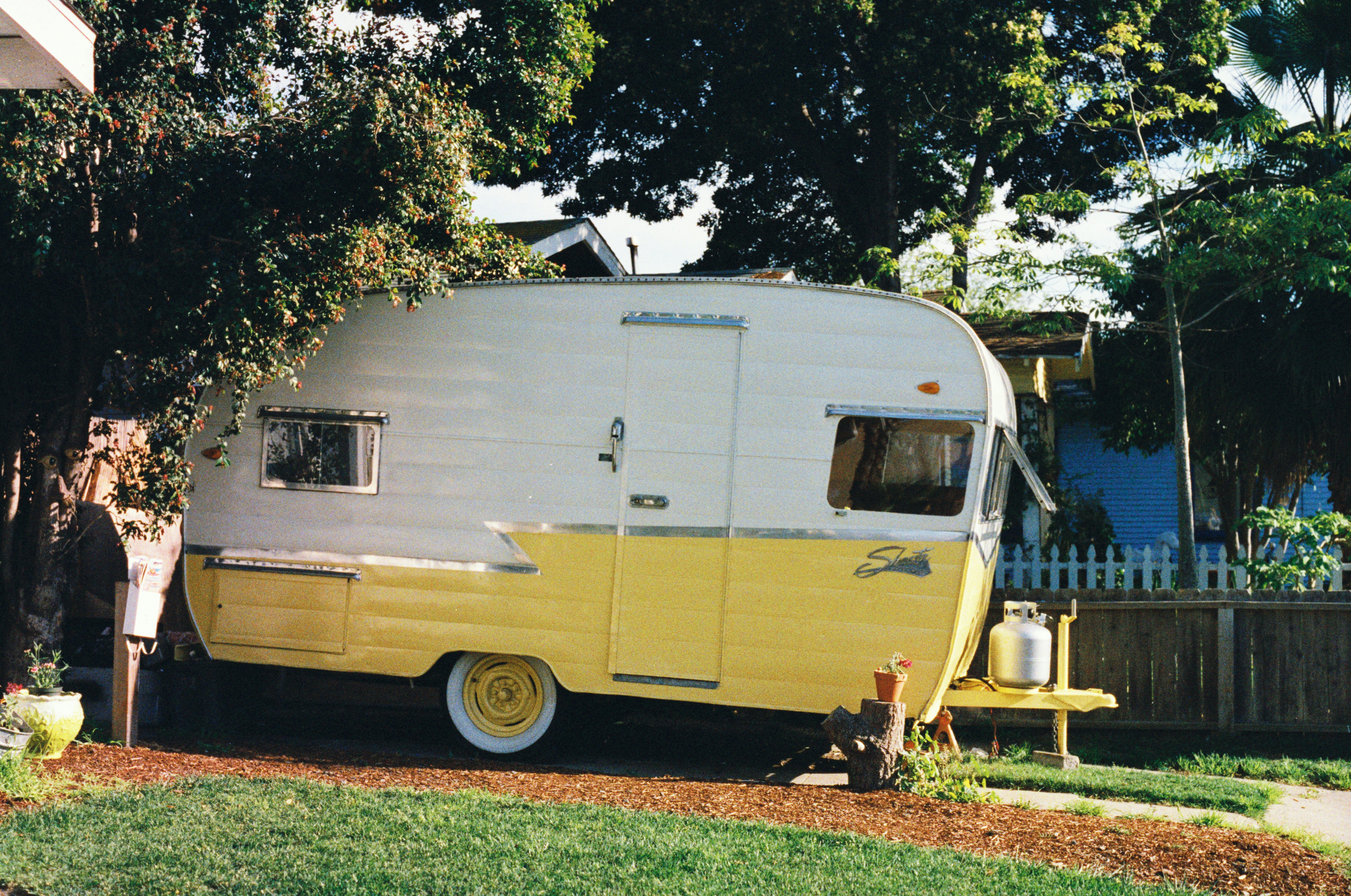
Enrique Meza, de US Bank, quien fue el patrocinador principal del evento (y amigo mío), nos contó una historia de esas que te recuerdan que la vida no es un comercial de televisión. Su cuento sobre La Trailita—esa casa rodante o remolque—y cómo su familia la usó como un punto de rescate para los parientes en apuros, es oro puro.
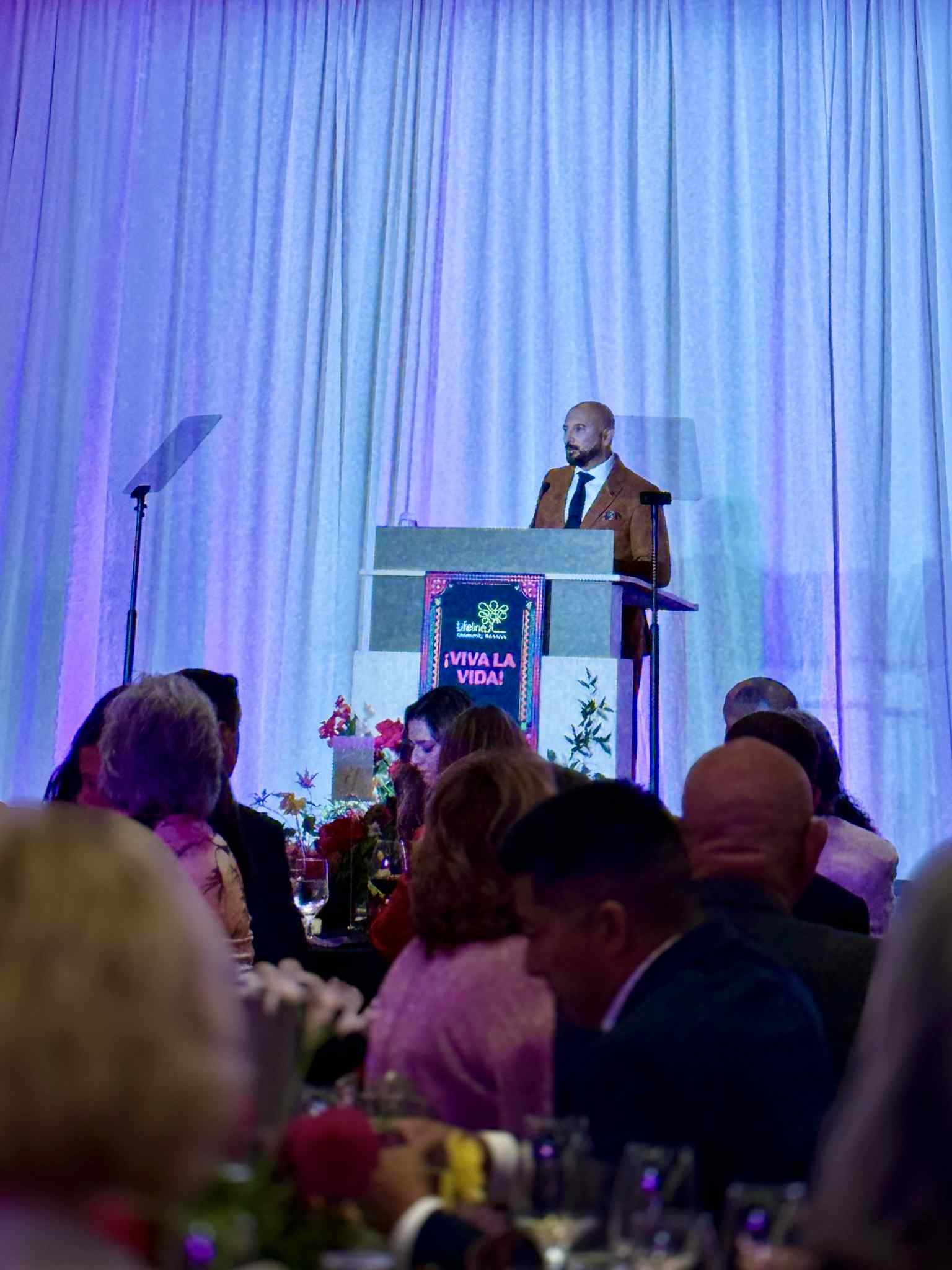
No estamos hablando de un acto de caridad del gobierno, ¡sino de una logística familiar de supervivencia! Es que escuchen esto: el tío que se divorcia, el primo que pierde la chamba, la prima que recién llega de otro país… ¿Qué hace la familia Meza? ¡Les asigna un turno en La Trailita! No es un Hilton, pero es un techo. Es una forma de decir: “Estás caído, pero no te vas a quedar en la calle. Aquí te paras, te sacudes y vuelves a empezar, pero bajo nuestra supervisión constante”.
Comparó esa “trailita” con lo que llamanos “lifeline” (esa ayuda vital para no morir) y lo ató al tema de la fundación en dicho evento.
Eso me recordó La Gran Pregunta que siempre me hago: ¿Por Qué Hay Menos Homeless en países Latinos si comparamos con Estados Unidos?
Y es que, al escuchar esta historia, se me prendió el foco y dije: ¡Ahí está la respuesta! ¿Por qué en nuestros países, a pesar de las crisis, los gobiernos ineptos y la escasez, no vemos ese ejército de personas viviendo en las banquetas como en el “primer mundo”? Porque aquí, la familia es el último bastión de la seguridad social.
Mientras que en USA son súper cool y valoran la “independencia” a los 18, lo que en realidad hacen es dejar a su gente sola. La palabra “independencia” nos da escalofríos, en especial a los padres de familia con hijos mayores de 18. En lo personal, mis hijos saben que aquí conmigo tienen su casa SIEMPRE. Si las cosas no les salen bien, que regresen. Si pierden dinero, que regresen. Si tienen que volver a empezar y necesitan ahorrar dinero, que regresen. Mientras tenga vida y techo, ellos tienen siempre esa ‘trailita’.
La Póliza de Seguro Llamada “Mi Familia”
En Latinoamérica, la familia funciona como una póliza de seguro obligatoria que nadie firmó, pero todos acatamos. A cambio de que te critiquen tu corte de pelo, te pregunten por tu vida sentimental y te digan que deberías buscarte un trabajo “de verdad”, tienes una red de contención que es casi infalible:
* El Sillón Cama: Siempre hay un sofá, un colchón inflable o un cuartito en la azotea disponible. Si te va mal, alguien te va a dar un rincón.
* La Olla Mágica: Nadie se muere de hambre. Las mamás y las abuelas siempre cocinan para un regimiento. Siempre hay un plato extra, aunque tengas que aguantar la sopa de fideo por tres semanas.
* La Chismografía de Recuperación: Te van a chusmear hasta que consigas trabajo. La presión social es un motor (molesto, pero efectivo) para que te eches “pa’lante”. No es un sistema perfecto, claro. Es invasivo, ruidoso y lleno de drama, ¡pero funciona! La dignidad de no dormir en la calle vale la pena aguantar a la tía criticona.
La Trailita Como Símbolo
La Trailita de la familia Meza es un símbolo glorioso de lo que significa ser latino: usar el ingenio, la poca infraestructura que tenemos, y la obligación moral de no dejar que la sangre se quede en el asfalto. Enrique Meza, con su trabajo promoviendo la inclusión financiera, entendió perfectamente que el primer paso para la inclusión, muchas veces, no viene de un banco, sino de un remolque viejo y de un par de manos dispuestas a ayudar.
Así que, ¡un aplauso por esas familias que tienen su propia Trailita de emergencia! Y a ti, ¿cuál ha sido el rincón temporal donde te has refugiado mientras te pones de pie? ¡Atrévete a contarlo!
(Enrique, gracias por ser mi inspiración esta semana.)
NOS VEMOS A LA PROXIMA.

La Trailita (THE LITTLE TRAILER): When the Asphalt Becomes Home (Temporary)
La Revista Binacional (Rafael García and I) were at the “Viva La Vida” event, the gala where Lifeline Community Services brings together all the people of San Diego who support and back them. La Revista Binacional was a proud media sponsor for the event. My friend Lisette Islas, the CEO of the foundation, was the perfect host in a colorful, aromatic, and loving place.
Enrique Meza, from US Bank, who was the main sponsor of the event (and a friend of mine), told us one of those stories that reminds you that life isn’t a TV commercial. His story about La Trailita—that camper or trailer—and how his family used it as a rescue point for relatives in need, is pure gold.
We’re not talking about an act of government charity, but about family logistics for survival! Listen to this: the uncle who’s getting divorced, the cousin who loses his job, the cousin who just arrived from another country… What does the Meza family do? He assigns them a shift at La Trailita! It’s not a Hilton, but it’s a roof. It’s a way of saying, “You’re down, but you’re not going to be homeless. Here you get up, shake yourself off, and start again, but under our constant supervision.”
He compared that “trailita” to what we call a “lifeline” (that vital aid to avoid dying) and linked it to the foundation’s theme at the event.
That reminded me of The Big Question I always ask myself: Why Are There Fewer Homeless People in Latin American countries compared to the United States?
And when I heard this story, I had my ‘aha’ moment: There’s the answer! Why is it that in our countries, despite crises, inept governments, and shortages, we don’t see that army of people living on the sidewalks like in the “first world”? Because in Latinos, the family is the last bastion of social security.
While in the US, they’re super cool and value “independence” at 18, what they’re really doing is leaving their people alone. The word “independence” sends shivers down our spines, especially to parents with children over 18. Personally, my children know that they have their home here with me, ALWAYS. If things don’t do well, they can come back. If they lose money, they can come back. If they have to start over and need to save money, they can come back. As long as I have a life and a roof over my head, they will always have that little trailer.
The Insurance Policy Called “My Family”
In Latin America, the family functions as a mandatory insurance policy that no one signed, but we all abide by. In exchange for people criticizing your haircut, asking you about your love life, and telling you you should get a “real” job, you have a safety net that’s almost foolproof:
- The Sofa Bed: There’s always a couch, an air mattress, or a little room on the roof available. If things go wrong, someone will give you a spot.
- The Magic Pot: No one starves. Moms and grandmas always cook for a regiment. There’s always an extra plate, even if you have to endure noodle soup for three weeks.
- The Recovery Gossip: They’ll gossip about you until you get a job. Peer pressure is an (annoying, but effective) driver to get you to “go ahead.” It’s not a perfect system, of course. It’s invasive, noisy, and full of drama, but it works! The dignity of not sleeping on the streets is worth putting up with the criticizing aunt.
The Trailita as a Symbol
The Meza family’s Trailita is a glorious symbol of what it means to be Latino: using ingenuity, the limited infrastructure we have, and the moral obligation to not let blood remain on the asphalt. Enrique Meza, with his work promoting financial inclusion, perfectly understood that the first step toward inclusion often comes not from a bank, but from an old trailer and a pair of hands willing to help. A simple lifeline.
So, a round of applause for those families who have their own emergency Trailita! And for you, what has been the temporary corner where you’ve taken refuge while you get back on your feet? Dare to tell us!
(Enrique, thank you for being my inspiration this week.)
SEE YOU NEXT TIME.
 gina dewar